




Icelandic fleet boosted by July pelagic catch
The volume of fish and shellfish landed by the Iceland’s fishing fleet increased by 16% or 13,864 tonnes year-on-year in July 2023 to a total 101,705 tonnes, according to preliminary figures for the month gathered by the country’s Directorate of Fisheries.
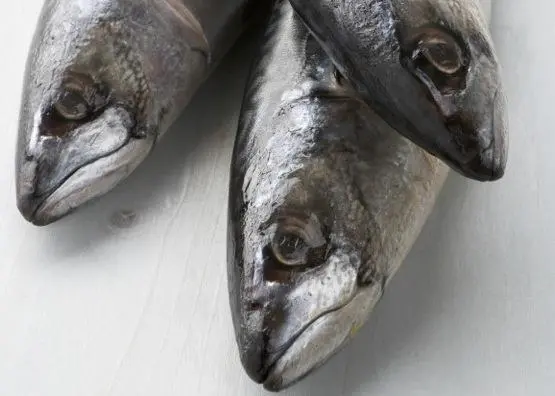
This increase was mainly attributed to a larger pelagic catch versus July 2022. This increased 25% to 77,213 tonnes, with herring landings rising 72% to 10,271 tonnes, mackerel up 19% to 66,337 tonnes and blue whiting climbing 187% to 605 tonnes. There was no capelin catch recorded last month.
Last month’s demersal catch slipped 9% to 21,679 tonnes, which included a 15% fall in cod to 9,640 tonnes and a 22% drop in saithe at 3,030 tonnes. However, the haddock catch increased 36% year-on-year to 3,647 tonnes and redfish landings were up 1% to 3,438 tonnes.
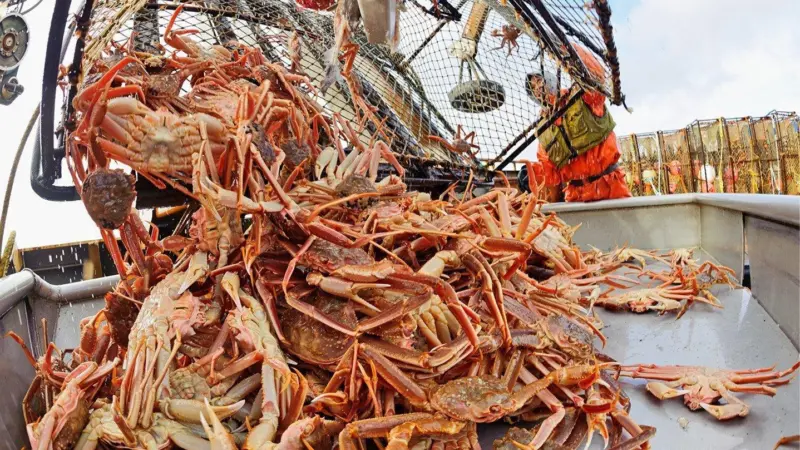
Meanwhile, Iceland’s flatfish catch increased by 28% to 2,060 tonnes, and its shellfish landings climbed 34% to 753 tonnes.
The Directorate of Fisheries’ data also determined that the August 2022 to July 2023 catch totalled 1,359,810 tonnes, which was 10% less than in the previous 12-month period. There were decreases in the demersal (-8% to 406,368 tonnes) and pelagic (-11% to 922,103 tonnes) categories. Shellfish landings increased 11% on the previous 12 months to 6,369 tonnes, and the total flatfish landings lifted 18% to 24,873 tonnes.
Related Articles
 FISHERIES
 FISHERIES
 FISHERIES