


The Center for Biological Diversity and Turtle Island Restoration Network have sued the National Oceanic and Atmospheric Administration (NOAA), challenging permits that exempt two fishing vessels from California’s prohibition on longline fishing.
The lawsuit, filed in the U.S. District Court for the Northern District of California, alleges NOAA failed to fully assess potential impacts on endangered and threatened marine wildlife before issuing the permits. The groups are seeking to have the permits invalidated.
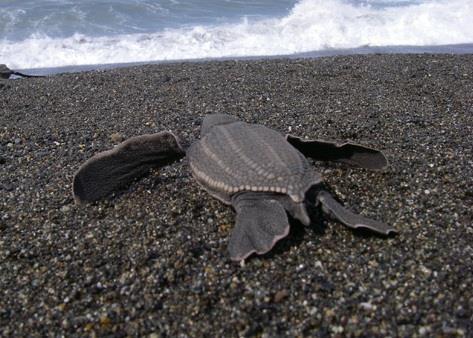
“The government knows longline fishing harms marine critters, but it approved these permits without taking a hard look at what was really happening in the water,” said Catherine Kilduff, a senior attorney at the Center for Biological Diversity. She said the permits could increase threats to leatherback sea turtles and humpback whales.
Longline fishing involves lines that can extend up to 60 miles, with hooks deployed for hours or days. The gear can catch non-target species, including sea turtles, whales and seals, when animals encounter the lines while feeding or moving through the water.
The groups’ complaint says the permits violate the National Environmental Policy Act, the Coastal Zone Management Act and the Marine Mammal Protection Act.
Pacific leatherback turtles that migrate and feed off California are a particular concern. The conservation groups say the population has declined 83% over the past three generations to about 1,443 adults, with scientists projecting a further decline over the next two decades.
Other species potentially affected include loggerhead turtles and Guadalupe fur seals. The groups said warmer Pacific waters and El Niño conditions could push some species farther north, potentially increasing interactions with fishing gear.
Todd Steiner, founder of Turtle Island Restoration Network, said longlining was banned in California in 2004 to protect leatherback turtles and questioned the basis for reopening the fishery.
The lawsuit follows a 2019 federal court ruling that invalidated similar longline permits after finding the government had failed to properly assess their impacts on leatherback sea turtles.