



Conflict – EU fishers at risk
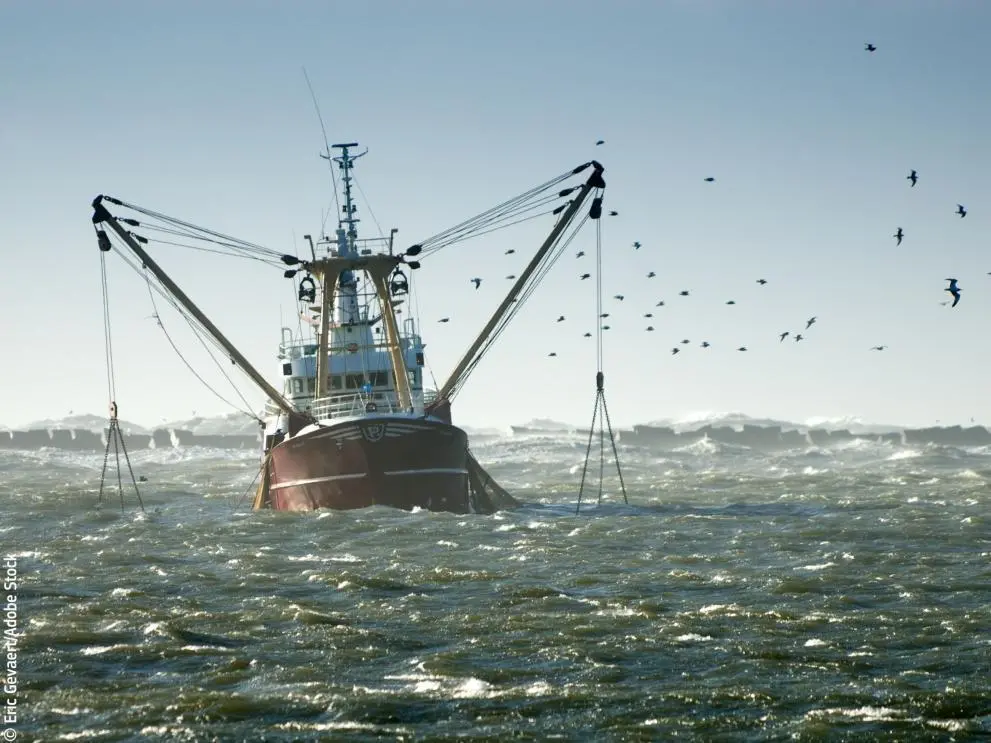
EU Commissioner for the Environment, Oceans and Fisheries, Virginijus Sinkevičius, has been warned by European fishing leaders that the sharp rise in energy and logistics prices, caused by the invasion of Ukraine, necessitates the introduction of emergency measures for fishing companies, and without such actions the fleet may be forced to cease operations.
In a meeting with Sinkevičius, the sector – represented by Europêche and by the European Association of Fisheries Producer Organisations (EAPO) – discussed the impact that the conflict is already having on the activities of European fishing operations.
The Commissioner heard that if these activities collapse, there could be problems with the supply of fishery products in a matter of weeks.
Europêche President, Javier Garat, explained that for months, the sector has faced a difficult economic situation due to a steep increase in gas and electricity prices and logistic costs and that now, fuel prices had reached an all-time high – exceeding €1 per litre in many EU countries.
“60 cents per litre, was already the price limit for our vessels to remain profitable. The situation is even worse than the fuel crises of 2008,” Garat said.
“For many vessels it is impossible to go to sea. Fishing vessels in all the member states are tying up as a consequence of the sharp increase of energy costs. If the stoppage of the activity becomes a generalised problem, there could be problems with the supply of fishery products in a matter of weeks, even more so if sanctions are imposed on those of Russian origin.”
EU fishers want urgent reaction from the Commission similar to those measures adopted to face the consequences of Brexit and COVID. The industry is proposing, amongst other things, that the EU Fisheries Fund is used to compensate operators for the additional costs, and that it also helps fishers who have to temporarily cease their activities and supports producer organisations with the temporary storage of fishery products.
A request was also made to increase support within the state aid framework up to €300,000-500,000 per vessel, and to increase the year-to-year quota flexibility from 10% to 25%.
The sector has also asked for additional measures in coordination with EU member states, including a reduction of social security contributions, the suspension of fish auction taxes, an extension period for COVID loans or a suspension/reduction of VAT on fish and shellfish aimed at alleviating the situation.
At the meeting, Sinkevičius said the Commission is taking the situation very seriously and working around the clock on solutions. He said he would look at the sector’s proposals and would look to hold another meeting once the package of measures is more clearly defined.
EAPO President, Esben Sverdrup-Jensen, commented, “All efforts should be focused, where possible, on the continuation of the fishing activities to secure seafood supply as well as on providing financial assistance to those fleets forced to stop operations. Financial aid is critical, but flexible fisheries management is equally important. For instance, providing fishers the option to carry over more than the existing 10% of their fishing quotas to next year is a key free-of- charge measure.”
Related Articles
 FISHERIES
 FISHERIES
 FISHERIES