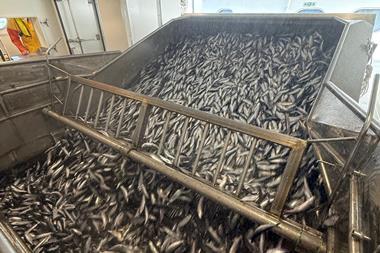





El Niño is significantly affecting global marine ingredient production, with reduced raw material availability in Peru and Chile contributing to weaker output during the first half of 2026, according to the IFFO.
IFFO said lower raw material availability in South America, northern Europe and parts of Asia is expected to contribute to a decline in global production this year. Peru has been particularly affected because it typically accounts for about 20% of global fishmeal production.
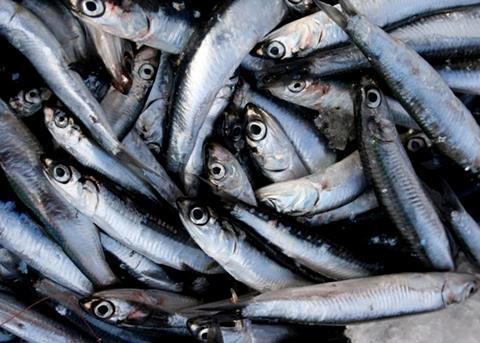
Peru’s first 2026 North-Central anchovy season was allocated a quota of 1.914 million metric tonnes, equivalent to about 27% of estimated biomass. Fishing was repeatedly interrupted by closures before being suspended on June 10, with only around 25% of the quota landed. As a result, Peruvian marine ingredient production has remained significantly below historical levels.
El Niño conditions are strengthening and are forecast to continue into early 2027. North-Central fishing remains effectively inactive, while a newly authorised scientific monitoring operation will assess anchovy distribution and biological conditions to determine whether additional fishing could be possible.
Chile has also recorded difficult fishing conditions, with catches during the first part of 2026 substantially below levels recorded a year earlier. A high incidence of juvenile fish has further constrained activity.
In northern Europe, reduced raw material availability has also contributed to weaker marine ingredient production, although IFFO noted that this decline is unrelated to El Niño.
The organisation said the full-year outlook will depend increasingly on production during the second half of 2026. Output from major producing countries including Morocco, China, India and Oman will be important in determining whether weaker production elsewhere can be offset.
In China, fishmeal stocks have declined further while imports have fallen amid constrained global supplies. Domestic production is expected to provide greater support when fishing seasons begin in August and September.
China’s aquafeed production reached 11.1 million tonnes in the first half, up 17.4% year on year, supporting higher aquaculture output. Despite tighter supplies, IFFO estimates that aquaculture fishmeal consumption remained relatively resilient, although slightly below last year’s level.