



Businesses looking to establish or expand seaweed farms in marine English waters can now benefit from new comprehensive regulatory guidance. The new document, developed by the Centre for Environment, Fisheries and Aquaculture Science (Cefas), the Marine Management Organisation (MMO) and Natural England, alongside Defra and published on the Seafish website, provides a clear pathway for applying for marine licences for seaweed aquaculture.
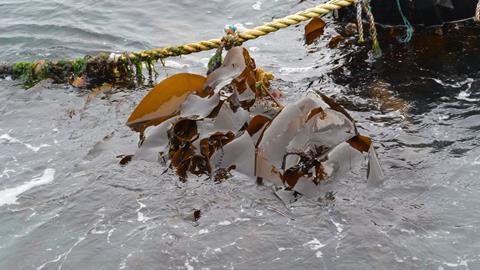
Cefas said seaweed farming represents a growing opportunity for sustainable food production and economic growth, and so the guidance addresses industry concerns about navigating the complex licensing process that has previously hindered sector development.
The document outlines how to apply for necessary licences and details which regulatory bodies and stakeholders should be involved at each stage of setting up, maintaining and decommissioning a seaweed farm.
Industry representatives have contributed to the guidance to ensure it accurately reflects the challenges faced by businesses and provides practical solutions.
The UK has a long history of seaweed production, with recent innovations expanding its use beyond traditional food and fertilisers to include bio-stimulants, cosmetics, bioplastics and other sustainable materials.
Over the last decade, commercial interest in seaweed aquaculture has grown significantly, creating new opportunities for coastal communities and supporting UK food security goals.