


Seaweed farming first
Scientists at Plymouth Marine Laboratory (PML) are investigating whether seaweed grown alongside offshore wind farms can help mitigate the effects of climate change.
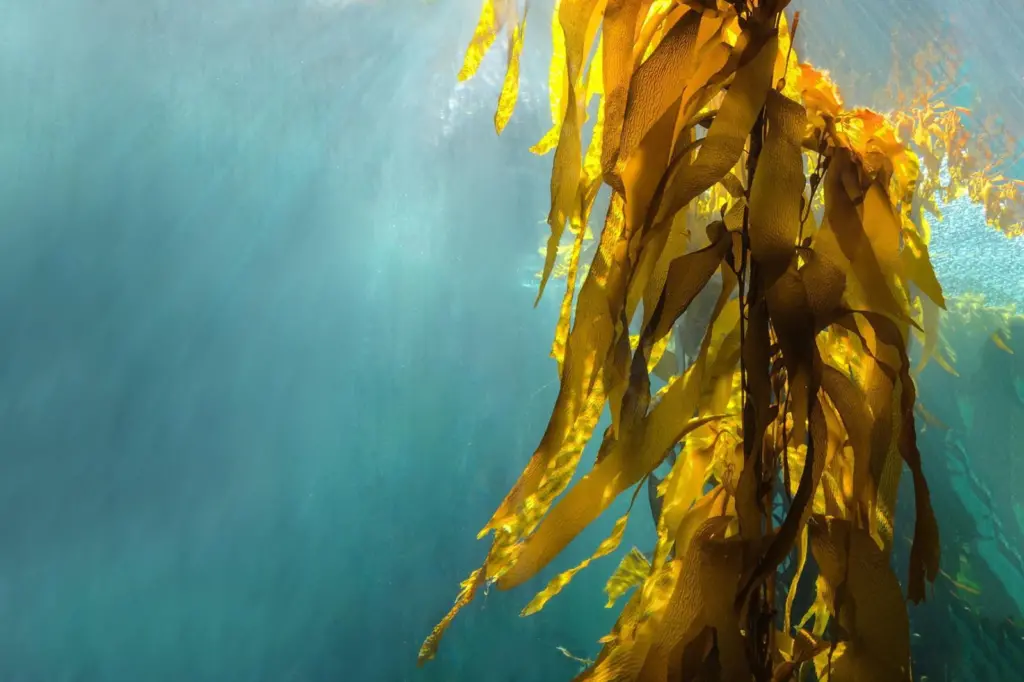
The €1.5 million North Sea Farm 1 project, funded through Amazon’s Right Now Climate Fund and delivered alongside non-profit North Sea Farmers, will see a first-of-its-kind seaweed farm created amongst offshore wind turbines.
Senior marine and climate change ecologist at PML, Dr Ana Queirós is leading the research. “The carbon dioxide removal potential of the seaweed industry remains unproven and the challenge is to understand how seaweed can be used for carbon sequestration over the long term,” she said.
Seaweed is known to absorb large quantities of CO2 but the extent of its viability for carbon removal at industrial scale is yet to be determined.
It is hoped the project will enable a greater understanding of the natural processes involved in the seaweed carbon cycle and the ability to track detritus and locate where carbon may be stored for the long term, in the deep ocean and seafloor.
During its first year of operation, Sea Farm 1 will focus on testing and improving the farm’s production performance. The farm will make the most of the space between wind turbines and if successful it is thought this could be scaled across the North Sea – which has an estimated one million hectares of space available within existing wind farms.
This scaling up could bring benefits to the blue economy with Eef Brouwers, manager of farming and technology at North Sea Farmers, estimating that up to 85,000 full-time jobs could be created across Europe by scaling up North Sea Farm 1.
Other partners involved in the project include Deltares and Silvestrum Climate Associates, seaweed product manufacturers Algaia and maritime contractors Van Oord.
Related Articles
 AQUACULTURE
 SEAFOOD
 AQUACULTURE