





Hybrid flow-through systems: A boost for farming biosecurity
Hybrid flow-through systems (HFS) are set to revolutionise aquaculture, particularly salmon farming, by enhancing biosecurity, boosting sustainability and addressing rising demand.
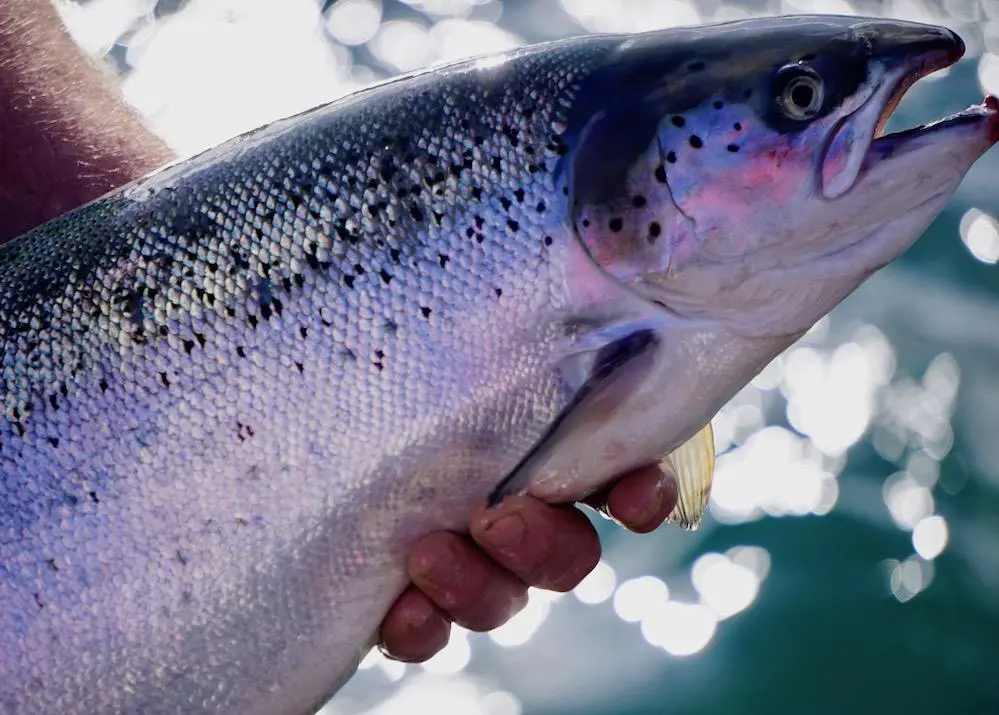
HFS technology reduces pathogen exposure and environmental impacts by moving farming into onshore basins, that’s according to a new RaboResearch study.
“Norwegian salmon farming has faced increasing mortality rates due to lice treatments and exposure to bacteria and jellyfish,” explained Gorjan Nikolik, Senior Analyst at RaboResearch.
“HFS can dramatically reduce these risks, achieving superior biological performance, including survival rates of 97% versus 83% in traditional net pens.”
Marked benefits
The research also shows that HFS farms deliver better feed-conversion ratios, cutting production costs while fostering faster growth rates.
HFS farms produce more high-grade fish, command higher prices, and limit ecological impacts by preventing pathogen release and fish escapes. They also capture nitrogen waste, reducing marine pollution.
“Despite higher energy requirements, renewable energy is already being incorporated into all active and planned HFS projects, balancing sustainability and profitability,” Mr Nikolik noted.
However, large-scale adoption hinges on substantial investment and favourable legislation.
Projects in Norway and Iceland are paving the way, but expansion to regions like Chile, the US and Canada require €2 to 3 billion in funding by 2030.
The report reveals that with the right financial and regulatory support, HFS technology could redefine salmon farming, delivering sustainable growth and improved biosecurity across the global aquaculture sector.
Related Articles
 SEAFOOD
 AQUACULTURE
 SEAFOOD