


India has unveiled an ambitious roadmap to modernise fisheries governance through the adoption of artificial intelligence (AI), satellite communication and digital traceability technologies, as part of efforts to strengthen monitoring, control and surveillance (MCS) across the sector.
The strategy was presented during a two-day regional high-level policy meet on artificial intelligence in fisheries held in Mumbai. Organised by the Bay of Bengal Programme Inter-Governmental Organisation (BOBP-IGO) under the Bay of Bengal Large Marine Ecosystem (BOBLME-II) project, the event brought together policymakers, fisheries officials, technology experts and representatives from organisations across South Asia.
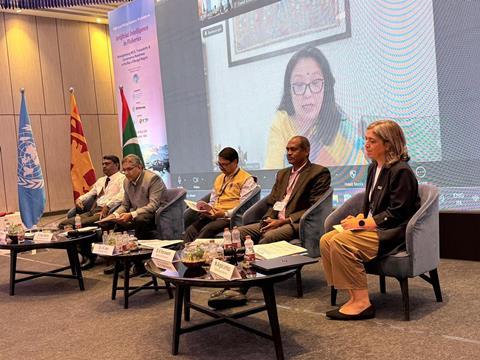
Presenting India’s plans, Dr Sanjay Pandey, Deputy Commissioner of Fisheries, outlined a series of initiatives designed to support AI-enabled fisheries management. The government is positioning AI as a critical tool to combat illegal, unreported and unregulated fishing, improve safety and create a transparent seafood supply chain from catch to consumer.
A key component of the strategy is the expansion of the ReALCraft digital platform, a web-based system for the registration and monitoring of fishing vessels. More than 225,000 fishing vessels have already been registered under the platform across India’s coastal states and union territories. The system supports real-time data sharing with maritime agencies, Aadhaar-based authentication and integration with DigiLocker services.
Officials also highlighted future applications of AI, including vessel behaviour analytics, detection of illegal fishing activities, catch traceability, predictive safety alerts and personalised advisory services for fishers.
Addressing the conference, Union Fisheries Joint Secretary Surabhi Rai said AI and digital technologies could help bridge persistent gaps between fisheries policy and enforcement while supporting sustainable sector growth.
Speakers from the Indian Council of Agricultural Research, the Food and Agriculture Organization and BOBP-IGO emphasised the transformative potential of AI in improving stock assessments, seafood traceability, quality assurance and fisheries governance.
The workshop’s deliberations are expected to contribute to a regional roadmap for AI-enabled fisheries management across Bay of Bengal nations under the BOBLME-II programme.