


Cooke loses farm licences
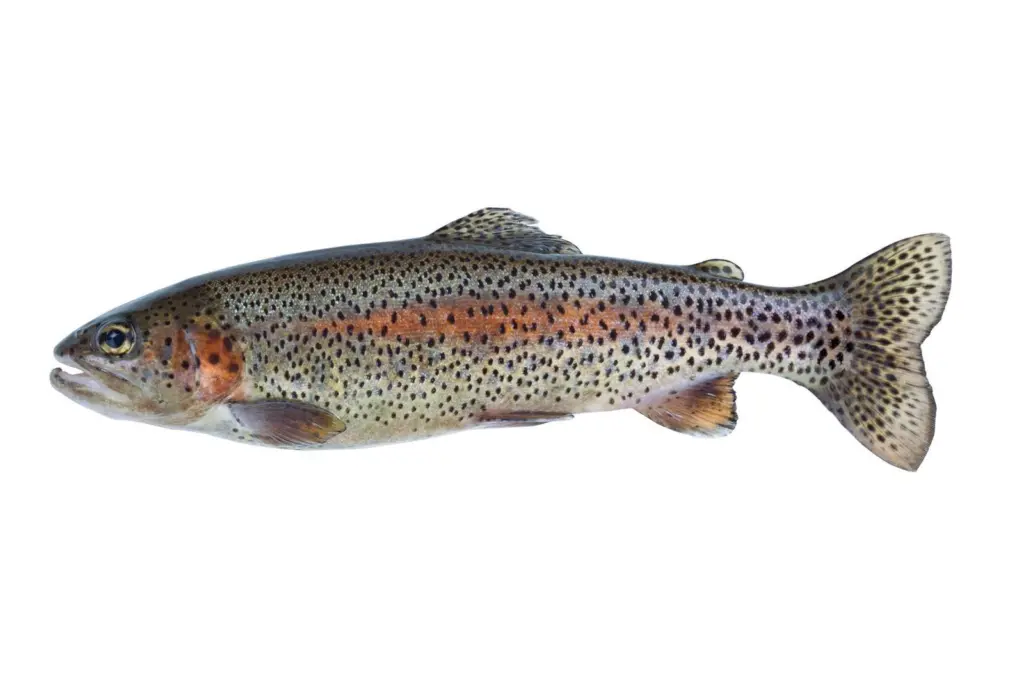
Cooke Aquaculture Pacific has voiced its disappointment at receiving notices from the Washington Department of Natural Resources (DNR) that it will not renew two steelhead fish farming leases in Rich Passage off Bainbridge Island and off Hope Island in Skagit Bay, both in Washington state.
A statement prepared by the New Brunswick, Canada, headquartered seafood company’s Vice President Public Relations Joel Richardson said, “Regulators and policymakers must responsibly follow the science and judicial precedents in making key decisions regarding marine aquaculture, which we do not believe was the case in this instance.
“We were surprised by Commissioner of Public Lands Hilary Franz’s decision. Over the past five years, Cooke has worked to foster productive working relationships with Tribes, DNR staff, and other state agencies. A recent Federal Biological Opinion and a recent Washington Supreme Court decision both reaffirm the state of the science that fish farming does not have an adverse impact on the environment. All of these factors are contrary to DNR’s decision to not renew our leases.”
On 14 November, DNR announced that would not renew the aquaculture leases.
“Since the catastrophic Cypress Island net pen collapse in 2017, I have stood tall to defend the waters of Puget Sound,” said Commissioner Franz. “This effort began by terminating finfish net pen operations due to lease violations. Despite years of litigation – and a company that has fought us every step of the way – we are now able to deny lease renewals for the remaining net pen sites. Today, we are returning our waters to wild fish and natural habitat. Today, we are freeing Puget Sound of enclosed cages.”
Franz said the move was “a critical step to support our waters, fishermen, tribes, and the native salmon that we are so ferociously fighting to save”.
DNR’s denial of Cooke Aquaculture’s request to re-lease the sites to continue finfish net pen aquaculture gives the company until 14 December to finish operations and begin removing its facilities and repairing any environmental damage.
The Hope Island lease expired in March and has been in month-to-month holdover status since. The Rich Passage lease expired in November.
But Richardson said that environmental organisations and Commissioner Franz are choosing to ignore the fact that farm-raised fish is one of the healthiest and most efficient ways to feed the global population with a minimal environmental impact and the lowest carbon footprint of any animal protein.
He also highlighted that farmers work closely with world-renowned scientists from academia, government and the private sector to develop rigorous standards and implement best practices for fish health and environmental protection.
“The science does not support the statements made by Commissioner Franz that the removal of these fish farms will save wild fish and natural habitat. There are many known factors contributing to wild salmon population decline including hydropower dams, growing seal populations as predators, habitat loss due to development, continued commercial fishing in migratory routes, municipal waste treatment plants releasing untreated pollutants and contaminants which affect juvenile salmon and more. Fish farming can mitigate these harms by reducing pressures on wild stocks and also by directly applying the expertise of companies like Cooke to better hatchery and wild salmon recovery efforts.”
Richardson added that from an animal welfare perspective, with this decision, Commissioner Franz is forcing Cooke Aquaculture Pacific to kill 332,000 juvenile steelhead that were planned to be stocked at Rich Passage and Hope Island in 2023.
“This is a tragic outcome for fish that should have been healthy, sustainable, food for our communities.”
Cooke Aquaculture Pacific acquired the Cypress Island fish farm in 2016 from a previous owner on the brink of bankruptcy. A year later the steel cage system collapsed, but prior to this, Cooke had applied to replace the cage system that was in operation by the previous owner almost 20 years.
“The compliance issues relied upon by DNR as the reason not to renew our two steelhead fish farming leases in Rich Passage and Hope Island stem from our assuming ownership of farms that fell into disrepair by the previous owner. After the collapse of that farm, Cooke focused on improving the operations in Washington, working with regulators to increase transparency of its operations, implementing third party engineering review of its facilities, implementing enhanced environmental monitoring, and transitioning the farms early to all female, sterile trout.”
Richardson said DNR is ignoring these efforts and improvements.
“The actions by DNR’s leadership are perplexing at best, and punitive at worst. As a Canadian family company investing significantly in Washington State and creating local jobs, this is very disheartening. As a steward of Washington’s lands, DNR is sending a very clear message to others: ‘Do not come to Washington, do not invest here’,” he said.
Following the denials of Cooke’s lease renewals, Franz is reviewing policies for net pen salmon aquaculture throughout Washington’s state-owned aquatic lands and will announce a decision at a press conference alongside partners and tribes on Friday 18 November.”
Related Articles
 AQUACULTURE
 AQUACULTURE
 SEAFOOD