




Off the plate
European seafood spend continues to increase but consumption has been heading the other way.
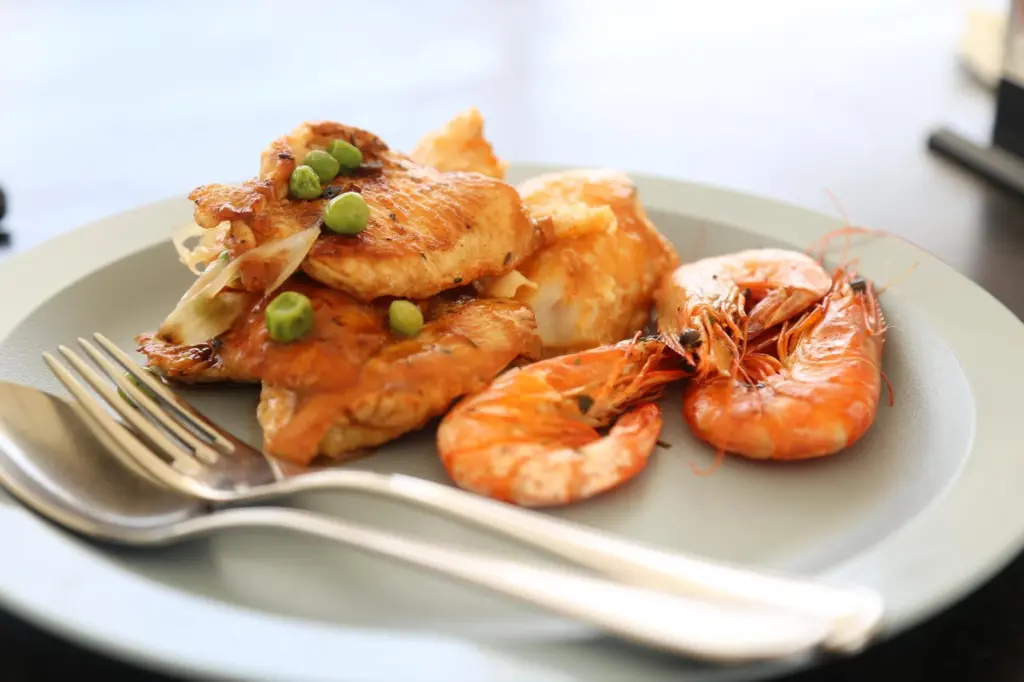
The EU has consolidated its position as the world’s leading market for fishery and aquaculture products, with 2021’s total household spend on the products reaching €58.5 billion, up 7% from the previous year, and representing a decade’s increase of more than 25% in real terms when compared with 2012, confirms the latest edition of an annual study compiled by the European Market Observatory for Fisheries and Aquaculture Products (EUMOFA). However, the same analysis finds that the volume consumed has been following a declining trend.
EUMOFA’s “The EU Fish Market – 2022 Edition” finds that the bloc’s consumption of fishery and aquaculture products fell by 720,000 tonnes from 2019 to just over 10.4 million tonnes in 2020. It advises that the decline was mainly driven by a decrease in both wild and farmed production, as well as by a decrease in supplies of fishery and aquaculture products from third-countries.
These reductions are related to consequences of the Covid-19 pandemic, it states, citing adverse impacts on logistics at several stages of the supply chain and the international flows of goods, as well as on production activities.
Consequently, EU per capita consumption is estimated to have dropped by 1.7 kg from 2019, reaching 23.28 kg last year. This is the lowest level in a decade. EUMOFA notes this consumption includes 16,79 kg of wild-caught products, which was down 9% from 2019, and 6.49 kg of farmed seafood, which was 1% more.
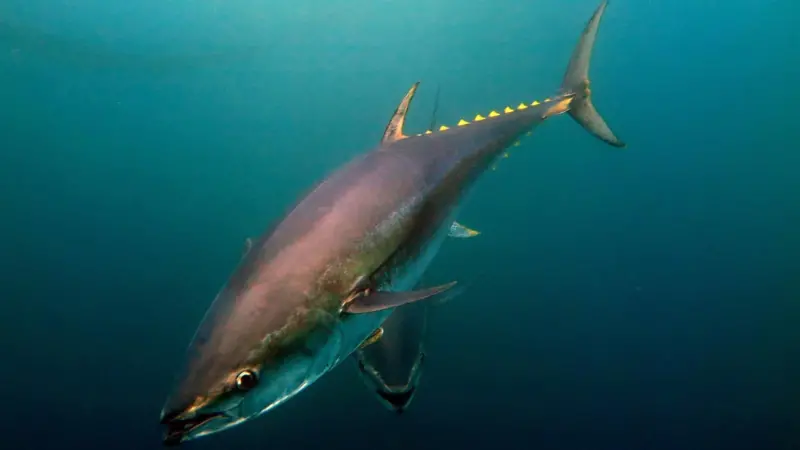
Portugal stands out as the major EU consumer at 57.67 kg per capita, although this was 4% less than the year before. Tuna was by far the most consumed species in the EU, averaging 3.1 kg per capita in 2020, versus a decade peak of 3.17 kg reached in 2019.
Fish versus meat
The report notes that in all EU countries, fishery and aquaculture product expenditure is historically lower than for meat. This is also the case when it comes to volumes consumed. One reason behind the lower consumption of fish could be that consumer prices of fish have grown much more than meat prices during the last 10 years, EUMOFA suggests.
On average, EU households spend around a quarter of the amount spent on meat for purchasing fishery and aquaculture products. In 2021, EU households spent €231 billion on meat.
During the 2012-2021-decade, consumer prices of fishery and aquaculture products increased an average of 2.1% per year, a higher growth rate than the 1.5% recorded for the prices of meat and of all food commodities in general. This means fish prices grew 30% more than meat prices and prices of food in general over the same period.
The report explains that average fish prices began to grow significantly in 2016, and by 2021 were 20% higher than in 2012 in real terms. This was in line with increased prices of imported products, as the EU demand for fishery and aquaculture products is primarily met through imports. The prices of meat and food also grew during the same period, but at much lower rates.
More recent data shows that in the first five months of 2022, seafood prices increased 5.9% year-on-year. This is linked to the steep rise of energy prices and of operating costs in general, which impacted most operators of these sectors.
Currently, though, EU per capita consumption is expected to have increased 0.5% in 2021 to a level of 24.16 kg, and is forecast to have increased a further 1.3% in 2022.
A close second
In terms of seafood trade, the EU relinquished its position as the world’s largest market to China last year. In 2020, the EU had been top-of-the-pile, due in part to the temporary decline of Chinese trade which had been particularly affected by the pandemic. But China rose to the top again in 2021, while the EU flows recorded a 1% decrease, reaching 8.6 million tonnes, while the value reached €32.6 billion, which was 4% higher than 2020.
EU imports amounted to €25.8 billion and 6.2 million tonnes in 2021, an increase of 6% in value and 1% in volume from 2020. This represented a recovery from the significant drop recorded in 2020 due to the severe impact of Covid-19 on high-value species mainly destined for the hotel, restaurant and catering (HoReCa) market. Exports, on the other hand, saw a continuation of the 2020 downward trend, with volume decreasing 6% from 2020, reaching 2.4 million tonnes, and the value decreasing 3% to €6.8 billion.
In 2021, China recorded total import-export flows of 9.4 million tonnes, a 12% drop from 2020, while at the same time, it showed a 7% increase in value, reaching €33 billion.