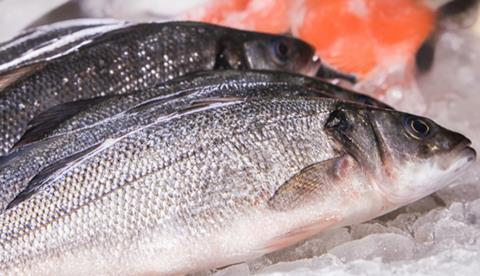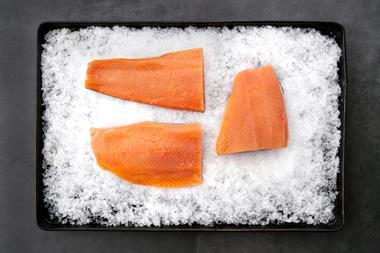



A new joint investigation by DeSmog and The Guardian has alleged that several leading UK supermarkets, including Waitrose, Co-op, Lidl, Aldi and Asda, are selling seabass and seabream sourced from Turkish fish farms that are fuelling the overfishing of depleted Atlantic waters off Senegal’s coast, undercutting local jobs and food security.
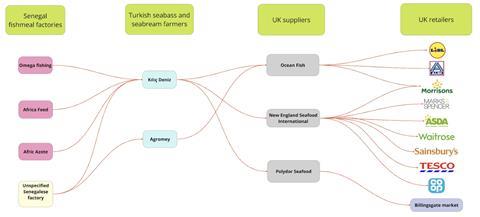
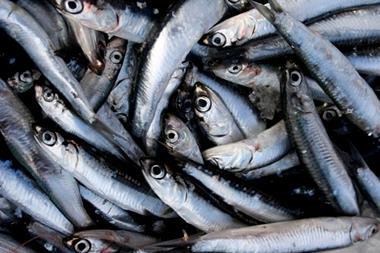
According to its findings, over the past four years, Turkish seabass farmer Kilic and its subsidiary Agromey, which control a quarter of the UK’s imports of Turkish seabass and seabream, have sourced over 5,400 tonnes of fishmeal and oil made from small “feed fish” from Senegalese waters. It says these pelagic fish, essential for local diets, are harvested unsustainably, driving overfishing, unemployment among local women fish workers, and environmental pollution near fishmeal factories in Senegal’s coastal communities.
The investigation noted that despite holding Aquaculture Stewardship Council (ASC) certification, which ties the firm to sourcing feed from well managed fisheries, Kilic has sourced fishmeal every year for the last four years from Senegal, where fisheries are poorly regulated and critically overexploited, and which received a so-called “yellow card” from the EU for inadequate action against illegal fishing earlier this year.
DeSmog’s analysis estimates that in the last four years, the volume of fish diverted into Kilic’s Turkish fish feed could have met the recommended dietary needs of nearly 2 million people.
Alongside the report, Diaba Diop, who heads up a national network of women fish workers, said if the situation continues then the sea will become a liquid desert.
“When people don’t have enough to eat, we can’t use it to feed animals,” Diop said.
The investigation states that Turkey dominates 85% of the UK’s farmed seabass market, with imports growing 7% in 2024, and that UK wholesalers New England Seafood International and Ocean Fish, which supply these supermarkets, have sold a combined total of 473 tonnes of seabass and seabream farmed by Kilic Deniz and its subsidiary Agromey in the past four years. This quantity is equivalent to nearly 5 million fillets, it said.
It also advises that since the Omega Fishing fishmeal factory opened in 2011, local women fish traders in Senegal have been priced out of the market, and that as fishmeal exports have increased, the availability of small, affordable fish such as sardinella, a staple in Senegalese diets, has sharply declined.
At the time of reporting, 500 grams of keccax (dried and smoked sardinella), which used to cost GBP 0.13 (CFA Francs 100), now costs as much as GBP 1-2, depending on the season, it said, also noting that in 2023, a year that saw fishmeal exports climb to an eight-year high, persistently high food costs pushed Senegal into crisis-levels of hunger for the first time on record.
DeSmog said data shows that fish stocks in Senegal have fallen to record lows in recent years, with annual landings dropping from fluctuations between 100,000 and 250,000 tonnes (2010–2020) to approximately 10,000 tonnes annually over the past four years. It also pointed to a recent report from the Environmental Justice Foundation (EJF) which cited research stating that 57% of fish populations in Senegal are in a similar state of collapse.
Commenting on the investigation’s findings, Chris Packham, English naturalist, nature photographer, television presenter and author, said: “If you do eat fish, how do you make an ethical choice in a supermarket aisle, if food labelling is so appalling that you’re incapable of doing so? This is robbing consumers of their right, in a climate and biodiversity crisis, to use the most powerful forms of protest, which is economic protest. Until [supermarkets] accept their corporate responsibility to allow us to make ethical choices in those aisles, they’re in dereliction of their duty.”
Dale Vince, campaigner and founder of the Green Britain Foundation believes food assurance schemes are falling short and that in light of this exposé, UK supermarkets should immediately take all Kilic products off their shelves and take a good, hard look at all farmed fish products they sell.
Greenpeace Africa Senior Oceans Campaigner Dr Aliou Ba added: “This investigation highlights our fundamentally broken food system, in which the fish that should be feeding people in Senegal and West Africa is being turned into fishmeal for farmed fish to feed European consumption. This is modern-day ecological colonialism, stealing food from people’s plates to fuel our unjust global food system. British supermarkets claim to sell ‘responsibly sourced’ seabass while their supply chains deprive West African communities of essential protein.”