




Fish living in naturally heated waters develop obesity, overeat and have lower metabolisms as they adapt to rising temperatures, according to new research led by the University of Glasgow.
The study, published in Nature Communications, examined threespine sticklebacks living in Iceland’s geothermal waters, where temperatures reach as high as 27.8°C. Researchers compared these fish with populations from cooler waters, using Iceland’s unique geothermal habitats as a natural model for understanding the long-term effects of climate change on aquatic life.
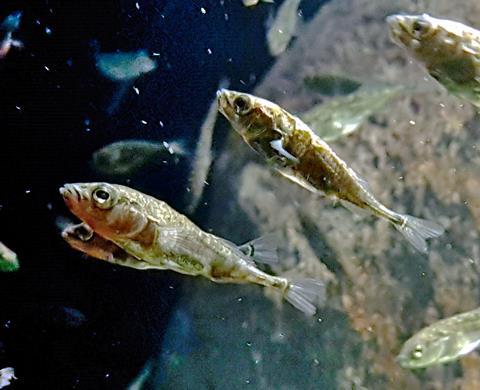
The researchers found that fish living in warmer waters were hyperphagic, experiencing excessive hunger and consuming more food than their cold-water counterparts. They also stored more fat during summer and retained those reserves more efficiently through winter, despite having a lower metabolic rate.
The team also identified significant genetic differences. Although the precise DNA changes varied between geothermal populations, all warm-adapted fish shared alterations to the MAPK signalling pathway, involved in growth and stress responses, and carried a genomic inversion absent from cold-water fish. Together, these genetic changes appear to support adaptation to warmer environments.
Dr Kevin Parsons, co-lead author from the University of Glasgow, said: “Our study is the first to show the specific genetic changes caused by adapting to warmer waters, offering key insights into the impact that climate change could have on aquatic ecosystems.”
He added: “We discovered that while the detailed DNA adaptations to warmer waters vary between fish populations, the overall impact of these changes was similar in all warm water-adapted fish, with changes to their body size, appetite and metabolism.”
Dr Matthew Brachmann, co-lead author from the University of Glasgow, said: “Climate change is already causing rapid temperature increases in our waters, forcing some aquatic life to adapt to survive. However, predicting the extent and impact of adaptation remains challenging, as the extremes of global warming have not yet been experienced by most species.”
The findings provide new evidence of how aquatic species may evolve as temperatures continue to rise, with potentially significant implications for freshwater species unable to migrate to cooler habitats.