



The European Union Seafood Alliance (EUSeA) is calling on Brussels to give aquatic foods a central role in Europe’s evolving protein strategy, arguing that fisheries, aquaculture and seafood processing are essential to achieving food security, strategic autonomy and sustainable food systems.
The appeal follows the publication of the European Commission’s Action Plan for the resilience, strategic autonomy and sustainability of the EU protein system and the new EU Strategy on Livestock.
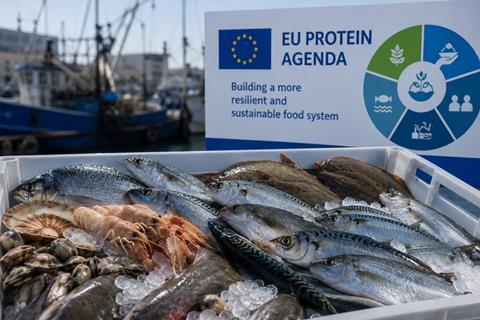
While welcoming the renewed focus on strengthening Europe’s food resilience and reducing strategic dependencies, the Alliance says the initiatives overlook one of the continent’s most important sources of high-quality, sustainable protein.
Representing EAPO, Europêche, FEAP, Seafood Europe and EMPA, EUSeA believes aquatic foods should be fully integrated into future EU food policies alongside livestock and other protein sectors.
“Seafood must be part of Europe’s protein conversation,” said the EUSeA. “If the EU wants a resilient, sustainable and strategically autonomous protein system, aquatic foods cannot remain at the margins.
“Fisheries, aquaculture, processing and trade are already fundamental to Europe’s food security, competitiveness and coastal economies.”
The Alliance argues that the Commission’s changing approach towards livestock demonstrates how perceptions of food production are evolving. It believes fisheries and aquaculture deserve similar strategic recognition, not only for their contribution to healthy diets but also for employment, trade, responsible resource management and regional development.
EUSeA is urging the Commission to include an ambitious EU Action Plan for Blue Foods within the forthcoming Vision for Fisheries and Aquaculture 2040, creating a coherent framework that recognises the sector’s role in Europe’s wider protein agenda.
EUSeA continued: “Europe’s protein strategy should reflect the full diversity of responsible protein sources available to consumers. Aquatic foods, together with innovations that maximise the value of marine biological resources and seafood by-products, can strengthen resilience, support circularity and create new economic opportunities while contributing to a more sustainable food system.”
The Alliance said it stands ready to work with the European Commission to ensure fisheries, aquaculture and seafood processing are fully recognised as strategic contributors to Europe’s future food resilience and sustainability.