


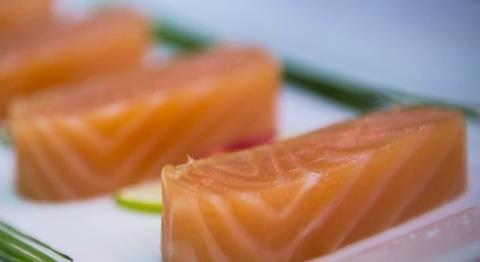
Scottish salmon has secured protected legal status, giving the country’s farm-raised fish greater post-Brexit protection against the risk of food fraud through imports of inferior products.
The labelling decision by the Department for Environment, Food and Rural Affairs (Defra) means that the term “Scottish salmon” will have a new protected geographical indication (PGI) by the end of April.
Its strict geographical designation will be “the coastal region of mainland Scotland, Western Isles, Orkney, and Shetland Isles”.
The update replaces a previous PGI of ‘Scottish farmed salmon’ given that wild Scottish salmon is no longer available for sale in supermarkets following decades of exploitation, habitat loss, pollution and climate change.
It remains a requirement of all seafood products on sale in the UK to list production method on packaging and the change of PGI name does not affect this statutory requirement, so packaging will continue to make clear that that salmon is farm-raised.
“Farm-raised Scottish salmon is a globally recognised brand and rightly considered the best in the world, so it is vital that we take steps to protect our premium product from food fraud,” Salmon Scotland Chief Executive Tavish Scott said. “When consumers talk about ‘Scottish salmon’, they are talking about farm-raised Atlantic salmon from Scotland – and this change makes that clear, while boosting legal protection post-Brexit.
“Scotland’s salmon farmers work hard to rear their fish, and this recognition by Defra is testament to the commitment of all those in remote communities who continue to meet the growing demand for Scottish salmon at home and abroad.”
Scottish salmon is the UK’s largest food export, with international sales of GBP 581 million last year, led by demand in France.
Salmon is also the most popular fish among UK consumers, with sales in retailers running at around GBP 1.2 billion-a-year.