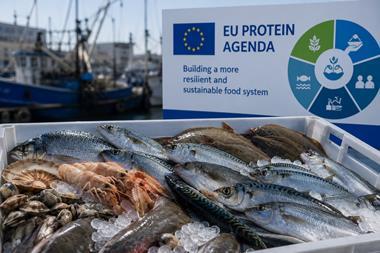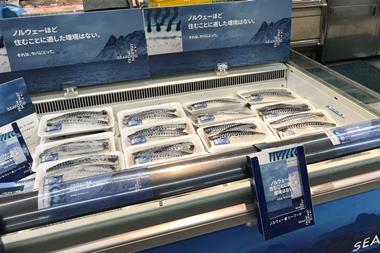





Some NOK 14.3 billion worth of seafood was exported by Norway in August, representing a decline of 2% or NOK 254 million on the correspondingmonth of last year.
Commenting on the decline, Norwegian Seafood Council CEO Christian Chramer said summer 2025 has been marked by “considerable turmoil” in the markets.
“Changes in customs duties on exports to the US are affecting Norwegian seafood exports and posing challenges for the global seafood trade. In addition, increased competition for both raw materials and customers [have] made it particularly demanding for many players in the seafood industry,” he said.
On 7 August this year, the US increased its customs tariff to 15% on seafood from both Norway and the EU and the NSC noted that in the month, the value of total seafood exports from Norway to the US market fell by 3% compared with August last year. During the same period, the value of salmon exports fell by 15%.
Chramer acknowledged that salmon is the dominant species exported from Norway to the US, but Norwegian producers are now experiencing increased competition in the US salmon market.
“There are different customs tariffs for different countries, and in August, the Norwegian krone strengthened against the dollar compared to the same month last year. This lifted the prices of Norwegian seafood in the US market,” he said.
Last month, the US was not the largest single market for Norwegian seafood, as it had been in the first five months of the year.
However, Chramer insisted that Norwegian salmon producers are highly adaptable, have many markets to export to and are used to seeking new markets when changes are as significant as they are now.
But complex value chains are involved, and for others – single companies and smaller species – it can be even more challenging, he added.
So far this year, Norway has exported seafood worth NOK 113.1 billion – an increase of 5% of NOK 5.1 billion compared with the same period last year.
“2025 has been characterised by low quotas for important species such as cod and mackerel. At the same time, saithe fishing is weaker than last year. This has led to very high prices in domestic sales, which in turn affects the industry in Norway and markets abroad. For parts of the wild fish industry facing increased prices, this is a challenge,” Chramer said.
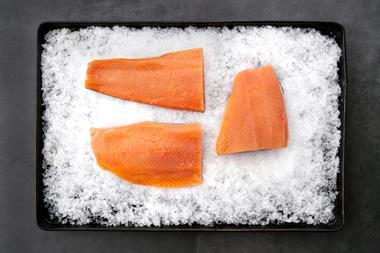
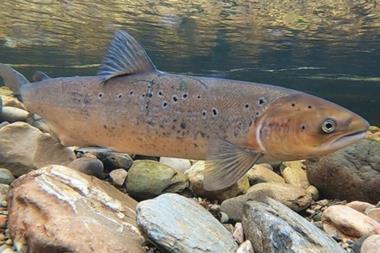
With regards to products, Norway exported 145,446 tonnes of salmon worth NOK 10.6 billion in August, with the volume increasing 17% and the value falling by 1%.
Poland, the United States and the Netherlands were the largest markets for Norwegian salmon in August, while China had the largest growth in value – up 84% or NOK 349 million on August 2024. The export volume to China ended at 9,343 tonnes, which was 114% higher.
NSC advised that for Norway’s largest product, fresh whole salmon, the United States is a well-paying niche market, but in August there was a 51% decline in value for this category compared to the same month last year. The organisation’s representative in the US, Karine Rød Haraldsson, added that there has been a lot of attention surrounding Norway’s new 15% tariff and that one effect of the duty is that it distorts competition.
Canada, for example, has no tariffs on seafood imports to the US, while Scottish and Faroese salmon are subject to a 10% tariff.
“Overall production has increased in salmon-producing countries that have lower tariffs to the US than Norway. Competition has thus increased further as a result. In 2025, there has also been a large increase in demand in Asia, particularly in China. The supply of large fish is limited, and global demand is therefore affecting exports to markets such as the US,” Haraldsson said.