




Norway exported seafood worth NOK 84.5 billion (€7.57 billion) during the first half of the year, a 1% decline from the same period last year, as lower fishing quotas, geopolitical tensions and US tariffs weighed on the industry despite continued strong global demand.
Export values fell by NOK 669 million (€59.95 million) compared with the first six months of the previous year, while total export volumes declined 2% to 1.3 million tonnes. Poland, China and the US remained Norway’s three largest seafood markets, with China overtaking the US to become the second-largest destination.
“Seafood exports in the first half of the year were influenced by both domestic and international factors,” said Christian Chramer, chief executive of the Norwegian Seafood Council.
“Here at home, low quotas for several wild-caught species have resulted in record-low export volumes and record-high export prices, whilst geopolitical unrest in the markets has made global trade even more challenging.”
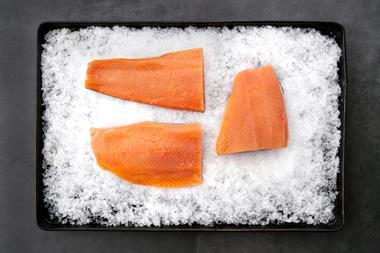
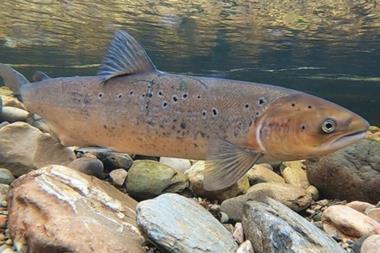
Salmon continued to dominate exports, generating NOK 58 billion (€5.20 billion) and accounting for 69% of total export value. Although production reached a record high, a stronger Norwegian krone, combined with tariffs on exports to the US, pushed fresh whole salmon prices to their lowest first-half level since 2021.
“The combination of high export volumes, tariffs to the US and a negative currency effect resulted in the lowest export price for fresh whole salmon in a first half of the year since 2021,” Chramer said.
Exports to the US dropped 28% to NOK 6.3 billion (€560 million), with salmon, trout, snow crab and king crab among the hardest-hit products. Chramer warned that uncertainty over future tariff rates continues to affect the sector.
Meanwhile, the conflict in the Middle East disrupted logistics to Asian markets and increased freight and fuel costs. Despite these pressures, June exports rose 9% year-on-year to NOK 14.4 billion (€1.29 billion), providing a positive finish to the first half of the year.