



Less plastic landfill as fishing gear goes for recycling
Under an initiative by New Zealand fishing company Sealord and Nelson-based fishing gear supplier Motueka Nets, fishing gear that has reached the end of its useful life is being routed to recycling and alternative uses instead of heading for landfill.
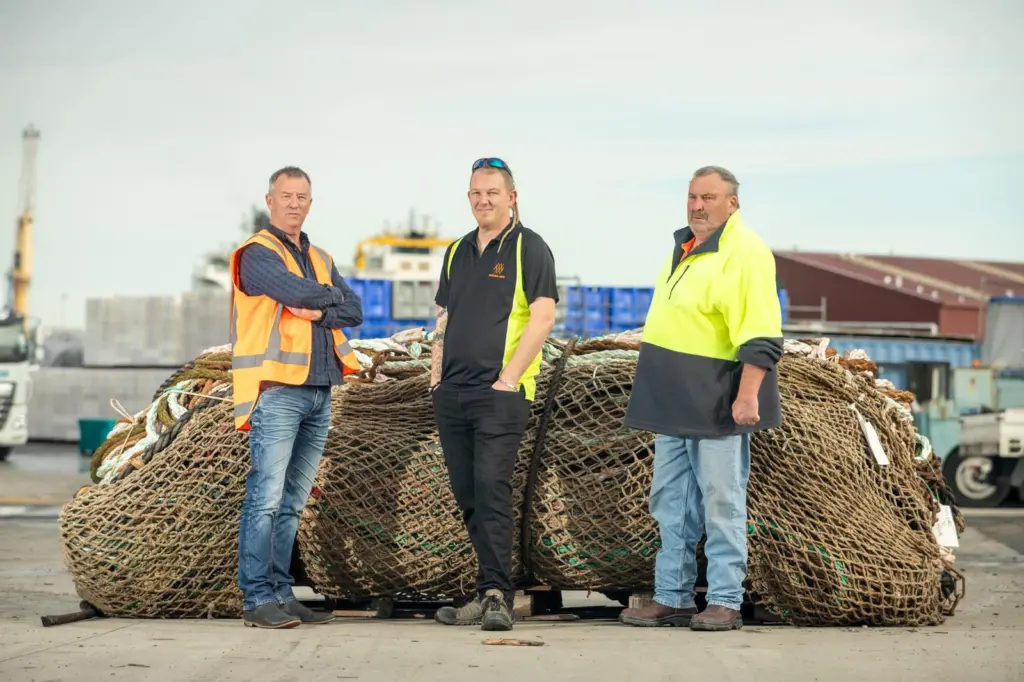
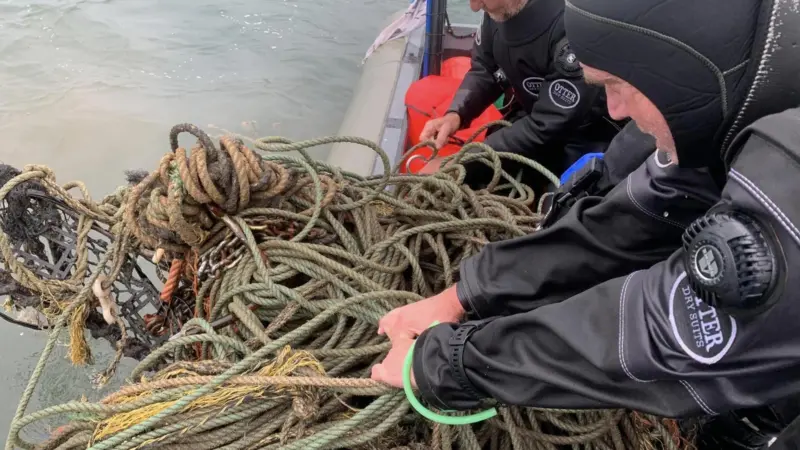
Staff at Motueka Nets dismantle the gear, first separating the hardware and steel chains for metal recycling locally. Any polyethylene rope is stripped off and this can be repurposed for uses in agriculture or in domestic gardens. The remaining nylon netting is then collected until a container has been filled with an estimated 20-25 tonnes of nylon, ready for shipping to Europe for repurposing into a range of products.
As the first container left New Zealand this summer, Sealord’s Fleet Harvest Manager Bill Healey said this marked the end of the company’s search for a feasible waste-reduction solution.
“For about 15 years we have been looking at ways to deal with midwater trawl nets that are no longer useful for fishing,” he explained. “The options were limited because of the composition of the nets – nylon, polyethylene and steel – a whole heap of stuff that meant without being dismantled that nets weren’t really fit for other purposes.”
Sealord has previously made the nets available for trial application as a type of mesh to stabilise riverbank plants, or as covers across silage pits. These trials didn’t work out as well as planned, and Sealord went back to the drawing board for a better solution.
“We’ve had numerous companies look into the possibility of recycling, but nobody has come up with a feasible solution until now, so the only real option would have been to put it to landfill, which we wanted to avoid,” Bill Healey said, adding that while the dismantling process is labour intensive, the Motueka Nets team have it down to a fine art. The result is that 99% of each net can now be either recycled or repurposed.
Motueka Nets Manager Josh Donker is delighted to extend his company’s life-cycle for the nets to a more circular model.
“We’re happy that we’ve got the connections and experience to find these solutions for Sealord. It’s something we’ll continue with, as we’re doing everything we possibly can to avoid components going to landfill,” he said. “We are also now investigating polyethylene recycling, which will help our clients reduce their carbon footprint even further. Watch this space.”
Related Articles
 FISHING TECHNOLOGY
 NEW VESSELS
 FISHING TECHNOLOGY