


Norway’s fishing gear clean-up breaks records
With 37,000 metres of nets retrieved from fishing grounds, in addition to thousands of metres of lines, ropes and warps, this year’s seabed clean-up operation by the Norwegian Directorate of Fisheries has this year returned record results.
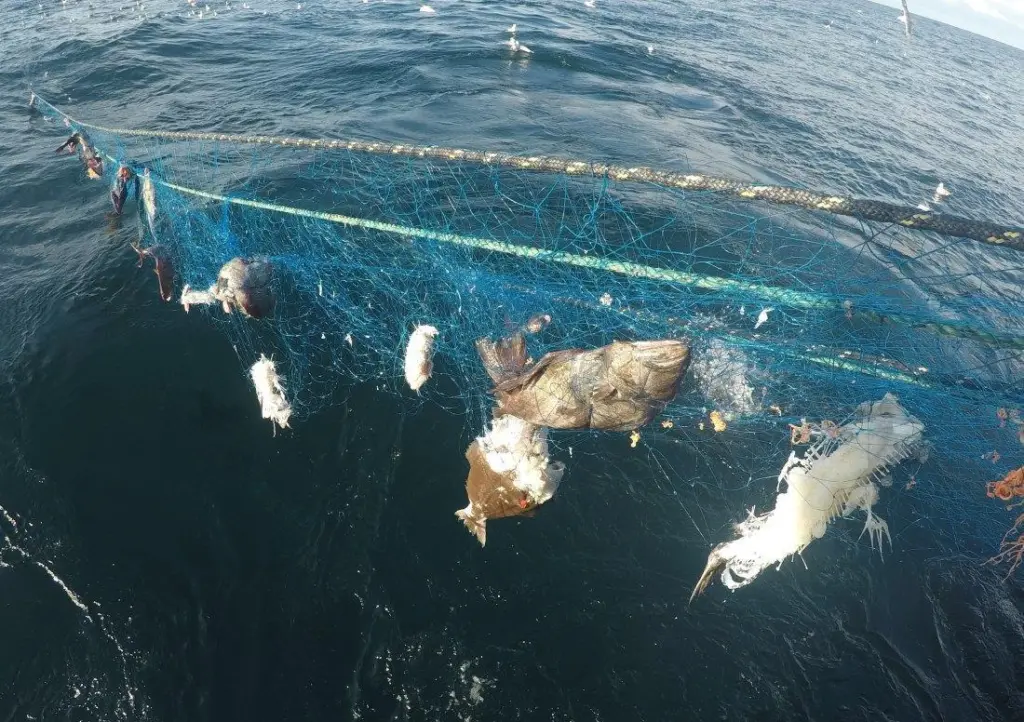
The figure of 1,339 retrieved gill nets beats the clean-up initiative’s previous record of 1,180 nets that were removed during the 1992 effort, which has up to now been the largest recovery of waste gear during the 40 years the clean-up has been conducted every summer.
“Unlike when we find trawl warps that have been dumped, it’s important to clarify that gill nets are lost during fishing, for various reasons. This year in particular there has been a loss of nets during the Greenland halibut fishery,” said Gjermund Langedal at the Fisheries Directorate’s environment department, who oversees the clean-up operation.
He commented that the outcome indicates that fishermen are making full use of the reporting scheme, and that there is a real need for this clean-up operation.
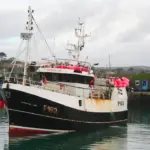
This year the 40-day operation began in August and finished in late September, and ranged from the coast off Alesund to Kirkenes in the north, this year with chartered fishing vessel Vikingbank retrieving gear across 242 positions and depths from 50 to 1300 metres.
The total retrieved comes to 1,339 nets, 42,000 metres of line, 25,000 metres of rope, 229 traps, 8,000 metres of warp and 5,000 metres of seine rope, as well as trawl doors and other hardware – plus plastic waste, oil containers, oilskins, gloves and much other junk caught up in the retrieved fishing gear.
“We recorded around 15,000 kg of fish and 2,300 crabs in the retrieved gear during this trip,” he said.
“Apart from one whale and three porpoises, no other marine mammals or seabirds were found in the gears removed from the seabed. We were also pleased to see that the escape openings in king crab traps work. The catch of crabs came mostly from older fishing gears.”
Net returns
There are three routes for the retrieved gears. Some can be returned to their owner, which is an option if the gear has been reported missing.
“This also means that the right gear has to be identified. That can be a problem with king crab and Greenland halibut gear, especially when there’s more than one set of gear in the same area,” he explained.
This year more than 500 nets and more than a hundred traps have been returned, as well as quantities of ropes and anchors. If the owner can’t be identified, nets and ropes can be delivered to Nofir for recycling, and metal can also be recycled. Anything that can’t be recycled becomes landfill, via an approved process.
Gjermund Langedal commented that the clean-up operation is a high-cost initiative, and each trip is carefully prioritised.
“It’s still the case that we don’t retrieve everything. This work is time-consuming and painstaking, which means that there are a number of loss reports that simply have to be prioritised. This is unfortunate, but at the same time this says something about the quantity and the need for this,” he said.
He added that the closure of reporting through the Coast Guard has presented some challenges, as not all fishermen have coped well with the Barentswatch electronic notification system.
“We also see that vessel information on Barentswatch is not fully up-to-date, which has also caused a number of communication problems with owners of fishing gear. We hope that this will have been done before next year’s clean-up,” Gjermund Langedal said.
Related Articles
 FISHING TECHNOLOGY
 NEW VESSELS
 FISHING TECHNOLOGY