



Pioneering urchin farming
Urchinomics, a Norwegian sea urchin ranching operation has been formally endorsed by the United Nations as an Ocean Decade action, one of only three commercial ventures worldwide to be selected
On 1 January 2021, the United Nations Decade of Ocean Science for Sustainable Development (Ocean Decade) was launched by the UN to bring ocean actors together to foster partnerships and generate the knowledge needed to support a well-functioning, productive and resilient ocean. The aim is to create a paradigm shift in the generation of qualitative and quantitative ocean knowledge for the development of solutions that contribute to the 2030 Agenda for Sustainable Development.
Essentially, partners are expected to come together at local, regional, national and global levels to design and deliver solutions such as policies, innovations or management frameworks based on scientific data and knowledge.
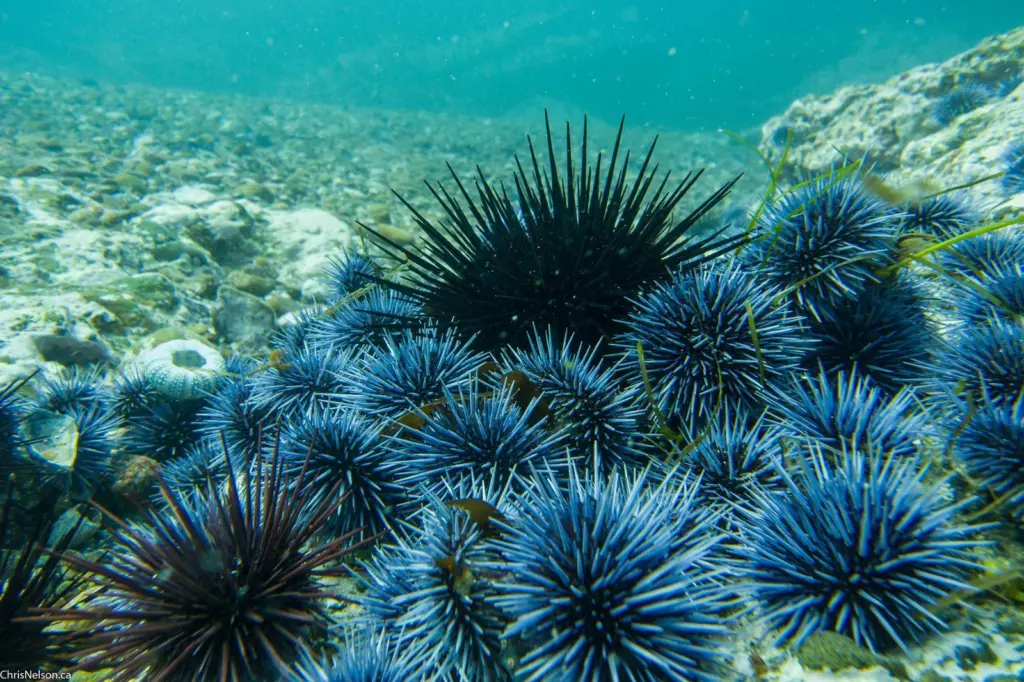
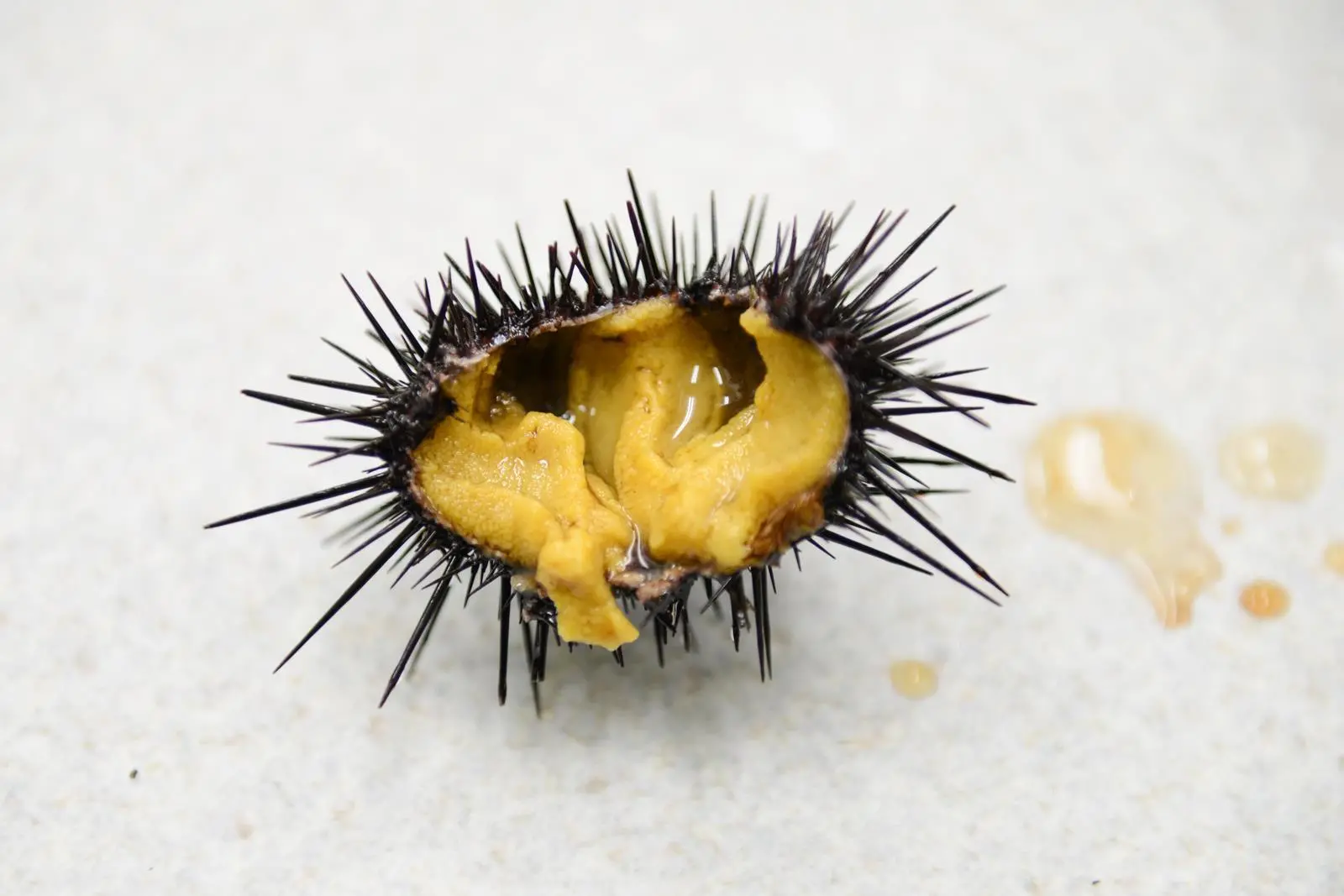
One such partner is sea urchin ranching firm Urchinomics. Based in Norway, this pioneering aquaculture venture is combatting the destruction of kelp forests by collecting large numbers of sea urchins, on-growing them in tanks and selling them to restaurants. Its aim is to rehabilitate unhealthy oceans into healthy ecosystems by turning ecologically destructive, overgrazing sea urchins into premium seafood products that can be consistently supplied year-round.
The company’s business model is helping to restore kelp forests, which in turn supports greater marine biomass, biodiversity and capacity to sequester CO2, all while creating meaningful, full-time employment in rural, coastal communities around the world.
What started in Norway is now underway elsewhere – Urchinomics is operating commercially in Japan and setting up operations in California and Canada.
Marine ecosystem balance
Urchinomics was officially launched in summer 2017. What followed was two-and-a-half to three years of research on feed and recirculation aquaculture systems (RAS) before the company built the world’s first RAS farm to ranch sea urchins. Hopes are high that with the UN endorsement, Urchinomics will play a key role in meeting priority challenges of the Ocean Decade related to ecosystem management and restoration.

“It’s with the utmost humility that we accept the endorsement of our technology and methodology to be recognised as being part of a wider solution to protect ocean biodiversity and promote economic development,” said Brian Tsuyoshi Takeda, CEO and Founder of Urchinomics in a recent press release.
“It’s a powerful validation of our ranching technology, which turns a destructive species into a premium, restorative, delicious seafood that therefore helps to bring the kelp forests back to life, promoting balance in our marine ecosystems. We look forward to contributing to meeting the vision of the Ocean Decade, and inspiring other industry partners to commit to delivering ocean science solutions for sustainable development.”
Following a nine-month due diligence process, Urchinomics was formally endorsed by the UN in October 2021. With the vast majority of endorsements going to government projects, scientific research projects or research institutes rather than industry, this is the first time that a for-profit company has been highlighted.
“When we say we’re a UN-endorsed Ocean Decade action, it’s clear that we are doing something for the ocean and that it’s something good,” said Takeda. “What it does for us in practical terms is immediately give us the ability to talk about the real issues. To be able to say yes, we are a for-profit company but we are not a traditional for-profit, is huge. The endorsement helps us get that credibility to be able to talk with key stakeholders and share our vision.”
Science-based decision making
The ocean covers more than 70% of the planet’s surface and absorbs more than 90% of the excess heat generated by global warming. Meanwhile, 3 billion people depend on it for their livelihoods. Yet predictions of the ocean’s future are dire. It is said that by 2050, there could be more plastic in the ocean than fish, while coral reefs may disappear by the turn of the century.
With such a bleak outlook, what can the UN Ocean Decade do to establish a framework that will catalyse transformative ocean science solutions for sustainable development?
Takeda maintains that focusing on science is key, as well as the many different players of the ocean as a whole, not just specific fields such as aquaculture or fisheries.
“The UN Ocean Decade is science-based, which is fantastic because a scientific understanding of the ocean’s responses to pressure is fundamental and we need to work off the science,” he said. “What I also like about the UN endorsement and the wider initiative is that even though science is the driver behind it, it’s not specific to aquaculture or fisheries but rather the ocean in general.
“Urchinomics is a hybrid of wild-catch and aquaculture and we work with a vast network of non-profits, science, government, industry and artisanal fisheries so the aquaculture side of things is relatively minor. Furthermore, fishers, government regulators, seafood distribution networks, restaurants and chefs help us tell our story to the end consumer so they understand why they are making these food choices. Working together with many different partners in this way is one big step towards securing the future of the ocean and the welfare of our planet.”
Addressing the carbon crisis
With the impact of climate change on ocean health hitting the headlines, adaptation strategies and science-informed policy responses are urgently required, and Urchinomics has drawn attention over the years for its ability to restore kelp forests and bind and sequester carbon in the sea in a way that is financially viable.
As concerns rise worldwide over whether carbon binding and sequestration is possible in a biodiversity-sustaining way, Takeda believes that Urchinomics’ ability to deliver or contribute to the restoration of kelp forests and biodiversity is a unique and valuable proposition.
“A lot of companies, such as energy companies, have reached out to us, which is evidence that they are concerned about their carbon footprint,” said Takeda. “Ecosystem restoration is a positive result of our work and with climate change such a significant topic, this is really important.
“We want the biodiversity because the greater the biodiversity is the more stable the ecosystem and the more balanced the environment. Kelp forest restoration increasingly appears to be the driver behind why various companies and stakeholders want to collaborate more with us, and we hope to focus even more on this field as part of our work with the UN Ocean Decade.”
Alongside its active operations in Japan, the United States, Canada and Norway, Urchinomics is seeking additional permitted aquaculture sites and local partners in Japan, North America (west coast), Canada (east and west coast), Mexico, Europe, Australia, New Zealand and Korea.
Related Articles
 PROCESSING & REFRIGERATION
 PROCESSING & REFRIGERATION
 PROCESSING & REFRIGERATION