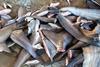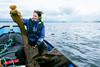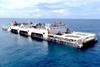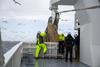





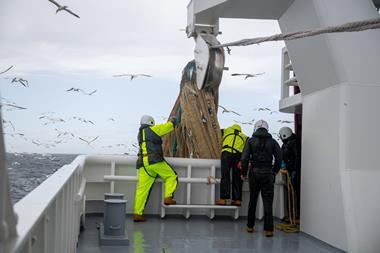
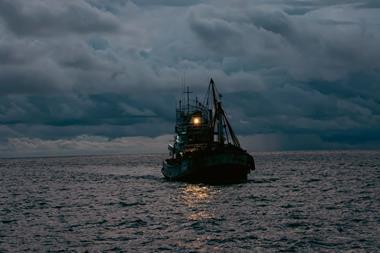

The EJF investigation, based on extensive fieldwork in Senegal and the Canary Islands, reveals how foreign industrial fleets, mainly from the EU and China, are depleting fish populations vital to the food security and livelihoods of Senegal’s coastal communities.
“This critical sector, which forms the socio-economic backbone of Senegal’s coastal communities, is in crisis,” said Steve Trent, EJF chief executive.
“Small-scale fishers face overwhelming competition from industrial vessels contributing to a troubling increase in migrant deaths at sea. The European authorities can and must end this now.”
Most fish caught by industrial fleets are exported to foreign markets, leaving local communities struggling. The result is rising poverty and a dramatic increase in dangerous migration.
In 2023 alone, over 3,000 people died trying to cross to Europe. By 2024, migrant arrivals to Spain had more than doubled, with the Canary Islands seeing a 200% increase.
The accompanying film follows Abdou, a young Senegalese fisher forced to flee his homeland, and his father left behind. “Some people had the same dream and purpose as me, but they never arrived,” said Abdou.
Karim Sall, president of Senegalese NGO AGIRE, added: “They come here to steal our fish. It’s theft. Plundering our resources while we suffer.”
The EJF report urges urgent reforms by the Senegalese government, EU and fishing companies to ensure transparency, halt illegal fishing and restore sustainability for Senegal’s people.