





Tuna giant ramps up by-catch protection
Thai Union has announced a commitment to only source tuna from vessels that are implementing best practices to protect ocean wildlife from by-catch.
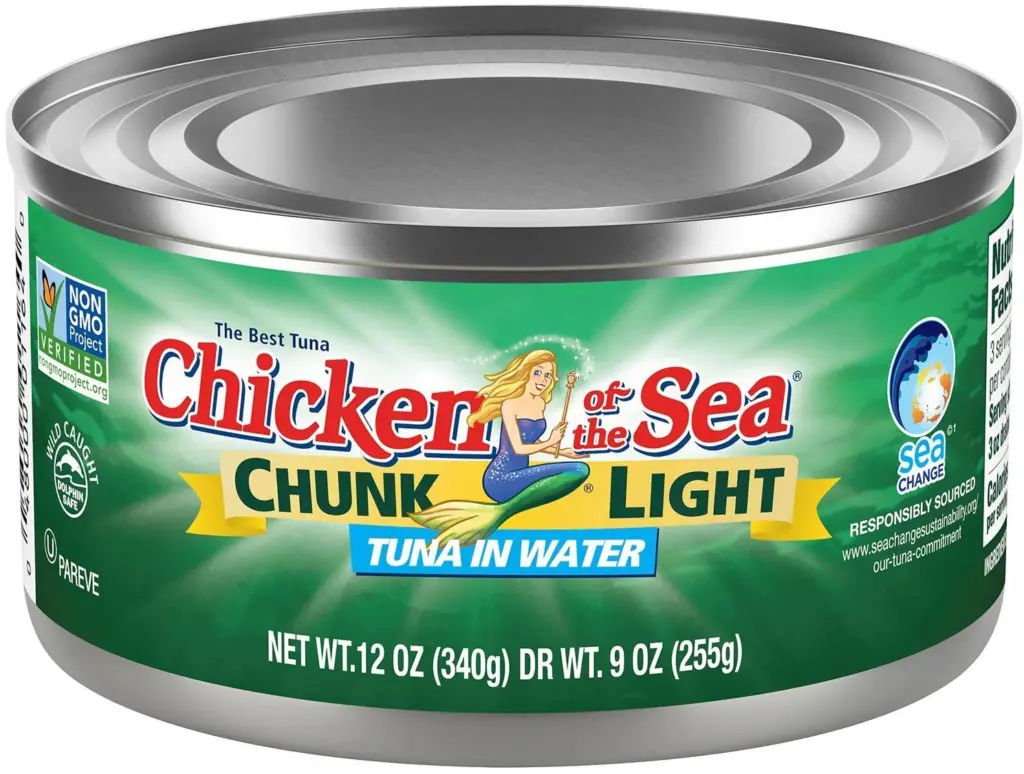
The company, which owns tuna brands such as Chicken of the Sea and John West, confirmed that this action is based on research by the Sustainable Fisheries Partnership (SFP) on the risks to sharks, seabirds, turtles and other marine wildlife in the fisheries that supply the company and an analysis by auditing and consultancy firm Key Traceability of Thai Union’s tuna fishery improvement projects and in the highest risk fisheries that were identified.
“Environmental organizations are pointing to the biodiversity and species loss crisis that the planet is facing. The report by SFP notes the significant loss of ETP species in the Western Central Pacific Ocean region,” Thai Union’s Group Director – Sustainability Adam Brennan said. “We want to do more to ensure that we are sourcing from vessels that are doing everything they can to avoid and reduce bycatch.”
In a new 2030 commitment for its fisheries, Thai Union said it will:
· By 2030, all vessels to implement best practices to protect endangered, threatened and protected (ETP) species
· Fulfil its existing commitment (by 2025) of 100% observer coverage (human or electronic) on tuna vessels through direct work with suppliers and service providers
“Biodiversity loss is the greatest threat to fisheries sustainability,” said Kathryn Novak, biodiversity and nature director at SFP. ”Thai Union is setting new expectations for the seafood industry to protect endangered, protected and threatened species by looking at their supply chains and only sourcing from vessels actively working to address bycatch.”
A recent report by SFP on the impacts of commercial tuna longline fishing in the Western Central Pacific Ocean on ETP species found a profound loss of nature and the decline of an estimated 70% of several species of shark, seabird and sea turtle populations. This region provides more than 50% of the world’s tuna production, most going to North America and Japan.
Thai Union’s by-catch audit was undertaken as part of SFP’s Protecting Ocean Wildlife initiative, an international, industry-led effort to address marine wildlife by-catch. SFP conducted a review and assessment of Thai Union’s source fisheries using existing sustainability data to determine risks, overlaps with the company’s key products, and where the most impacts can be made to reduce ocean wildlife bycatch.
The research identified tuna longline fisheries as high risk for sharks, sea birds, and sea turtles, and recommends implementing more gear modifications to reduce the interaction rate and mortality risks associated with these fisheries. The research also found insufficient observer coverage in Pacific Ocean fisheries, consistent with Thai Union’s commitment for 100% observer coverage in its tuna fisheries.
Key Traceability examined if best practices to reduce by-catch are being taken by vessels in Thai Union’s fishery improvement projects (FIPs). The analysis found that many of these fisheries have documented actions around ETP management and meet or exceed the audit report recommendations.
Related Articles
 PROCESSING & REFRIGERATION
 FISHERIES
 FISHERIES