





Illegal fishing fuels global aquaculture
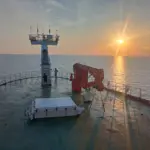
An investigation by DeSmog and The Guardian has uncovered large-scale illegal fishing inside a protected marine area off Guinea-Bissau, with thousands of tonnes of sardinella processed into fishmeal and entering global aquaculture supply chains.
The reporting identifies two floating fishmeal factories operating offshore in the Bijagós archipelago – often described as ‘the Galápagos of West Africa’ – supplied by a fleet of Turkish purse seine vessels allegedly fishing in protected waters. Satellite data and eyewitness testimony suggest vessels routinely disabled tracking systems, a hallmark of illegal, unreported and unregulated fishing.
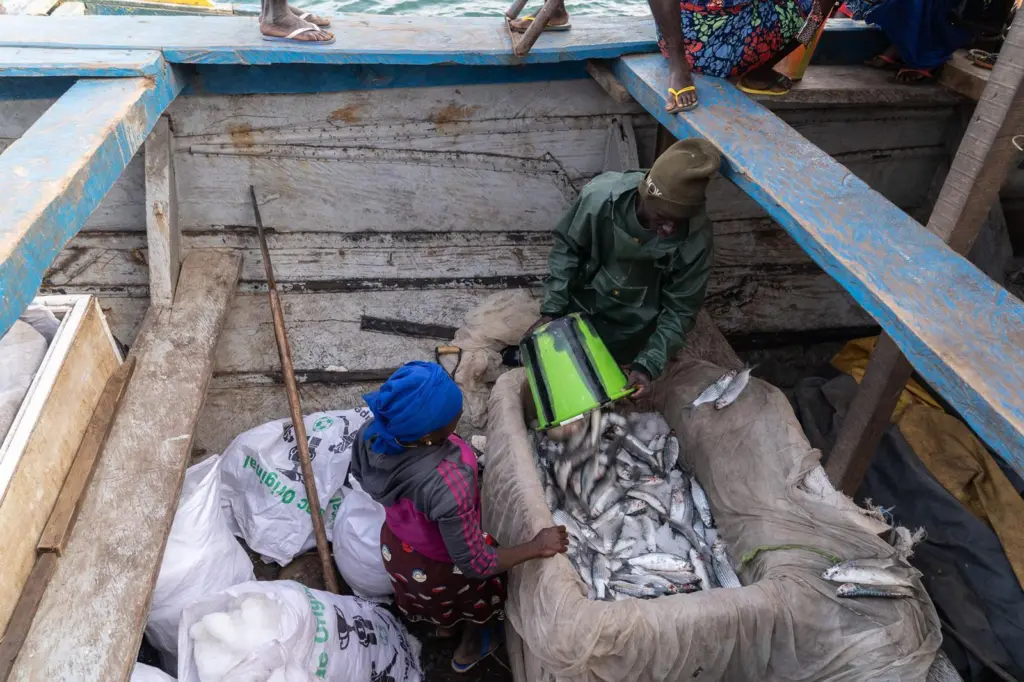
“The industrial processing of sardinella offshore is particularly alarming,” said Aliou Ba of Greenpeace. “Sardinella is not just a commercial commodity; it is a critical source of protein for millions of people across West Africa.”
The fish, a cornerstone of local diets and marine ecosystems, is instead being converted into fishmeal and oil used in aquaculture feed. Trade analysis traced shipments to international buyers, including a 2023 sale to a subsidiary of Skretting in Ecuador. The company said it is now investigating the findings, adding that ‘ensuring responsible and legal sourcing is fundamental to how we operate’.
Campaigners say the case highlights major traceability gaps in global seafood supply chains. “Fish meal and fish oil can enter the EU market without documentation on the species or its origin – this should not be allowed,” said Vera Coelho of Oceana.
The investigation lands alongside a major policy shift. Guinea-Bissau’s government has introduced a sweeping ban on fishmeal and fish oil production, both at sea and on land, in what advocates describe as a landmark move for the region.
Local fishers say the impact of industrial activity is already being felt. “The machines have been broken for months,” said local fisherman, Pedro Luis Pereira, referring to a lack of basic infrastructure such as ice facilities. “We’ve alerted the Ministry of Fisheries, but so far, no one has come to fix them.”
Experts warn enforcement will be critical, as illegal operators may simply shift to neighbouring waters, underscoring the global challenge of regulating high-value marine resources.
Related Articles
 FISHERIES
 FISHERIES
 FISHERIES