



The Scottish pelagic fishing sector has strongly criticised a decision to downgrade Northeast Atlantic mackerel in the ‘Good Fish Guide’, arguing the move fails to reflect recent scientific evidence and improvements in fisheries management.
The Scottish Pelagic Sustainability Group (SPSG), which represents mackerel fishers and processors, said the updated rating by the Marine Conservation Society (MCS) presents a misleading picture of the fishery’s sustainability.
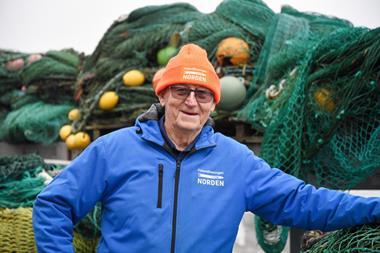
“Whilst progress in resolving the issue of quota shares among the coastal states participating in the fishery is not going as fast as we would like, the MCS rating for mackerel fails to reflect recent developments,” said SPSG chair Ian Gatt.
Gatt pointed to a reduction in the total allowable catch and a new agreement between the UK, Iceland, Norway and the Faroe Islands aimed at lowering fishing pressure. The deal commits participating nations to align catch limits with scientific advice from the International Council for the Exploration of the Sea under a maximum sustainable yield framework.
According to SPSG, this approach is projected to increase spawning stock biomass by around 8.5%, close to the 11.4% growth outlined in ICES’s headline advice.
Gatt also criticised the methodology behind the downgrade, arguing it lacks context. “MCS highlights a decline in the mackerel stock since 2015, but fails to recognise that this follows a period of exceptionally strong recruitment,” he said, adding that the subsequent drop likely reflects a natural rebalancing.
He further challenged claims that the stock is in a ‘very overfished state’, noting ICES analysis suggests biomass could increase by 2027 even if current catch levels are maintained.
Concerns were also raised over MCS’s assessment of enforcement, which SPSG described as inaccurate given robust monitoring systems, including mandatory electronic reporting for vessels in Scottish waters.
Gatt said the rating should have been placed under review pending updated scientific advice later this year, adding consumers can remain confident in the fishery’s long-term sustainability.