




Third EU-Morocco SFPA Joint Commission reviews progress
During this Joint Commission meeting, the parties reviewed the activity and use of fishing opportunities at the end of the second year of the protocol. The parties also examined the state of play of projects supported by European Union for the Moroccan strategy for the development of the fisheries sector.
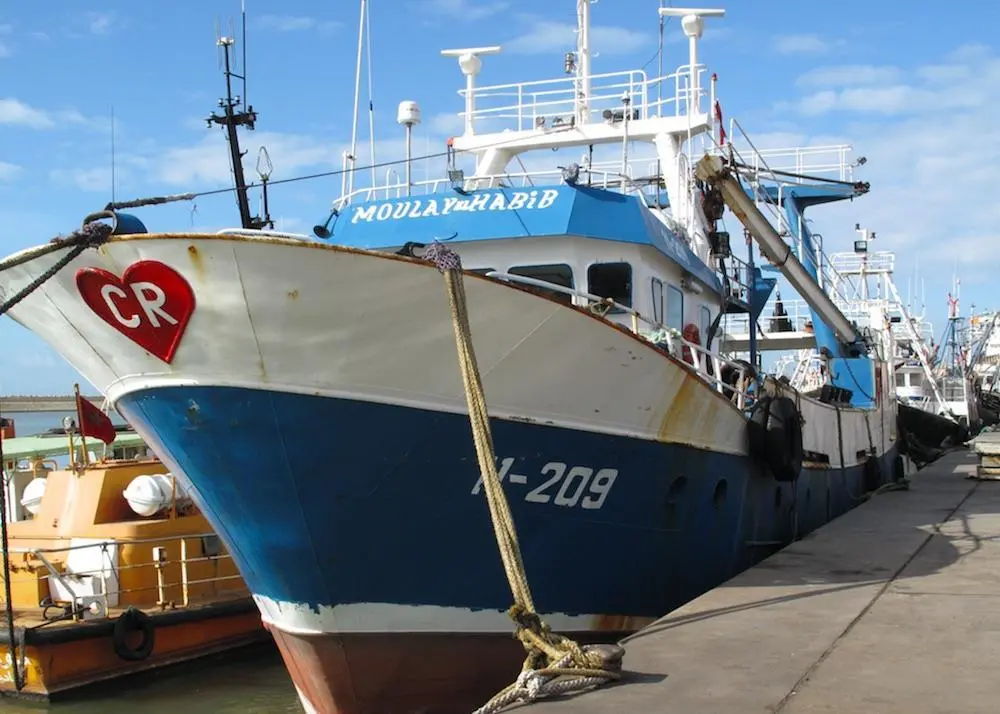
The current Sustainable Fisheries Partnership Agreement and its implementation protocol entered into force in July 2019, and this new agreement creates a strategic governance framework with Morocco, a key partner of the European Union within the framework of the neighbourhood policy.
It contributes to the preservation of maritime resources and to the economic and social development of the populations living in the areas affected by the agreement.
The European Union provides a total financial contribution estimated at €208 million over four years, including compensation for access to the fishing zone, support for the Moroccan fishing sector and payment of fees by shipowners. The implementation of the protocol gives access to around 130 vessels flying the flags of ten member states of the European Union.
The European Union supports, in particular, aquaculture projects for the benefit of young entrepreneurs and fishermen’s cooperatives, scientific campaigns to assess certain stocks, safety systems at sea, and improvement of conditions of work and protection of seafarers. These projects thus contribute to job creation, capacity building in the sector and the training and integration of women and young graduates into the job market.
The parties commended the quality of the work carried out for the monitoring of the use of the EU support and the progress of the projects at the end of the second year of the protocol, in a difficult context, marked by the COVID 19 pandemic.
More than 99% of the actions programmed for the second year of the protocol were carried out, for an amount of approximately €20 million, despite the constraints of the health crisis.
The Joint Commission also examined the geographical and social distribution of the financial contribution in order to ensure that the agreement benefits the territories concerned, in proportion to the fishing activity of European vessels.
Finally, the parties examined the scientific aspects of the agreement, with a view to preserving fishery resources, and agreed to continue joint scientific work in this direction.
Related Articles
 FISHERIES
 FISHERIES
 SEAFOOD