





Onboard telemedicine first
The Spanish tuna fleet has become the world’s first fishery to run an onboard telemedicine project for its crews. This initiative, which forms part of the social sustainability policy the fleet pursues under the banner of the Organisation of Associated Producers of Large Tuna Freezers (OPAGAC), is scheduled to take place over the next 20 months in cooperation with the Polytechnic University of Madrid.
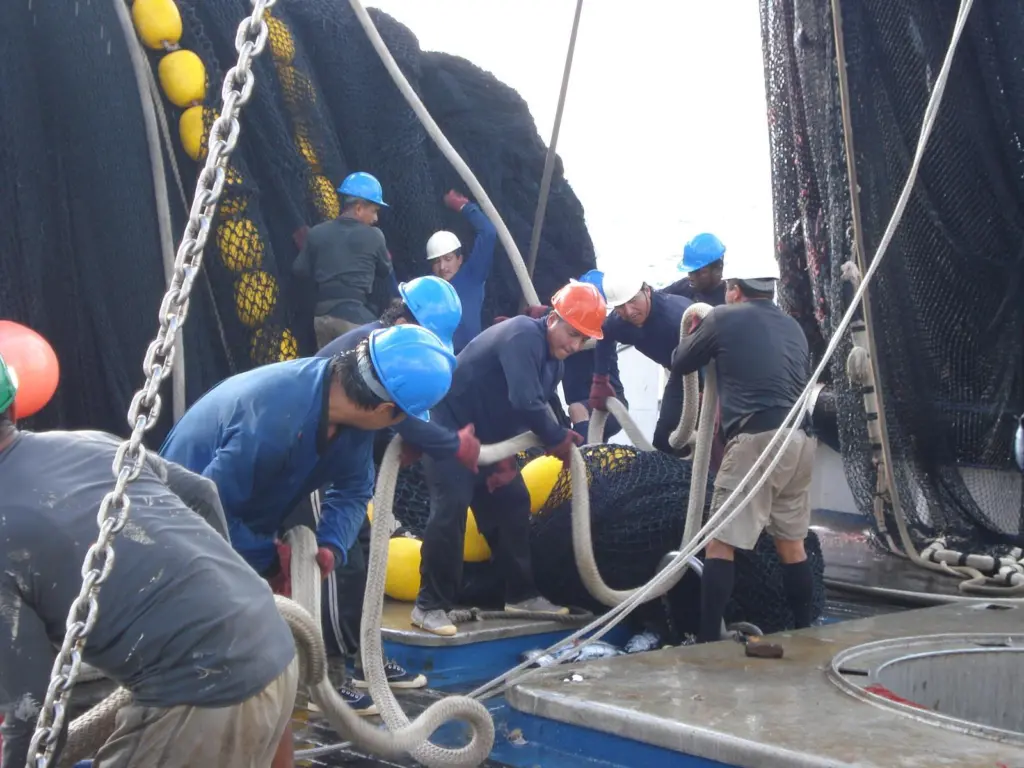
The three-phase project will be conducted under real-life working conditions on 10 Spanish tuna vessels operating in the Pacific, Atlantic and Indian Oceans, with over 400 crew members on board.
Phase one will focus on analysing and studying the kinds of health problems that most often become an issue at sea, to identify the best equipment and medical technologies to install. This study will be conducted by the Polytechnic University of Madrid. Phase two, which will begin next summer, will outfit the participating vessels with what has been found to be the most appropriate equipment, and the third and last phase will involve collecting data and results.
OPAGAC’s intention in this project is to address one of the main challenges facing offshore fleets, good medical attention for any on-board health incidents, and to take advantage of the possibilities made available by cutting-edge technologies like satellite communications and the Internet of Things (IoT).
The fleet’s objective is to furnish its crews with smart, connected medical service and thus strengthen its social sustainability policy.
OPAGC Managing Director, Julio Morón, explained that the association looks at sustainability from three viewpoints, and from a social viewpoint, the top priority is guaranteeing employee wellbeing and safety onboard its vessels.
“This project is part and parcel of this philosophy. We want to equip the officers of our vessels with the tools they need to take better decisions if a medical issue crops up, by facilitating communication with healthcare professions on land.”
Morón added that the intension is to test the project’s feasibility, and once its efficacy is verified, to transfer that knowledge to other fleets.
Related Articles
 FISHERIES
 FISHERIES
 PROCESSING & REFRIGERATION