






Migrant workers at risk from abuse
Current laws around visas and short-term contracts are leaving Filipino migrant fishermen in north-east Scotland vulnerable to abuse and coercive control.
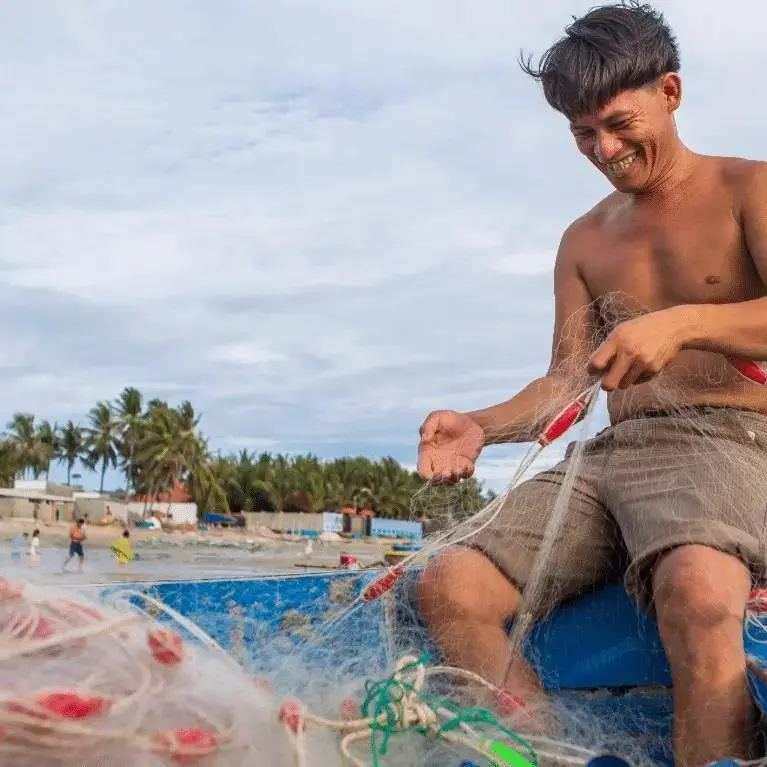
That is the finding of recent research into the impact of environmental, economic and social change on the wellbeing of coastal communities. Funded by the Economic and Social Research Council, the FisherCoast project interviewed 63 people across the fishing industry in north-east Scotland and found that non-EEA fishers are particularly at risk from hidden forms of abuse and control.
Kicking and slapping
Crews from countries such as Ghana and the Philippines have been employed on vessels in north-east Scotland since the mid-1990s. Though generally valued as hard-working and reliable, the crews are nonetheless vulnerable to abuses such as withholding food, and physical and verbal attacks, including kicking, slapping and shouting. These are often dismissed as a result of ‘cultural misunderstandings’.
According to the research, current protections are inadequate because they do not address how the use of transit visas and short-term contracts make migrant crews particularly vulnerable, nor are cognisant of the cultural practices which render such abuse invisible.
In particular the report shows how transit visas restrict access to full employment rights and how language barriers and other cultural differences lead to blurred boundaries and unequal relationships open to abuse.
Recommendations
Changes should be made to address both the causes of vulnerability and the inability to recognise and address these forms of coercion and control, namely by ending the use of transit visas instead replacing them with more secure contracts, drawing up clear guidelines distinguishing between acceptable and abusive behaviour, building trust in a complaints procedure and providing language training.
Related Articles
 FISHERIES
 FISHERIES
 FISHERIES