





Iceland’s catch down by over a quarter
The total volume of fish and shellfish landed by Iceland’s fishing fleet decreased by 27% or more than 53,300 tonnes in February, with a total 198,365 tonnes.
According to preliminary figures for February 2023 gathered by the country’s Directorate of Fisheries, there was a substantial fall in the volume of pelagic fish, while demersal landings increased.
The month’s total pelagic volume slumped by 33% year-on-year to 108,105 tonnes. This was mainly due to a 37% reduction in the capelin catch compared with February 2022, with the volume amounting to 101,955 tonnes.
Also withing the category, the blue whiting volume amounted to 6,150 tonnes. No mackerel or herring catches were recorded for the month.
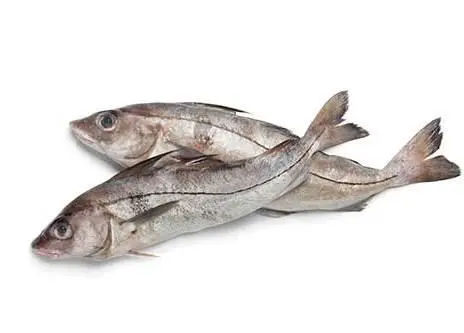
Within the demersal category, which amounted to 35,165 tonnes – a 1% rise versus February 2022 – cod landings remained static at 21,777 tonnes, the redfish catch fell 15% to 2,845 tonnes, and saithe dropped 47% to 2,813 tonnes. However, the haddock volume climbed 53% to 5,809 tonnes.
Meanwhile, Iceland’s flatfish catch decreased by 1% to 1,418 tonnes, and its shellfish landings grew 40% to 321 tonnes.
The Directorate of Fisheries’ data also found that the March 2022 to February 2023 catch totalled 1,254,966 tonnes, which was 13% less than in the previous 12-month period. There were decreases in the month’s demersal (-4% to 435,695 tonnes), pelagic (-17% to 790,702 tonnes), and flatfish (-5% to 22,142 tonnes) species categories, while total shellfish landings grew by 2% to 6,333 tonnes.
Related Articles
 FISHERIES
 FISHERIES
 FISHERIES