

Iceland’s pelagic sector is looking forward to what is hoped will be the largest capelin season for a couple of decades. In October, the Ministry of Fisheries followed the scientific advice, and Minister Kristján Thór Júlíusson signed off a regulation for a 904,000 tonne quota for the 2021-22 season.

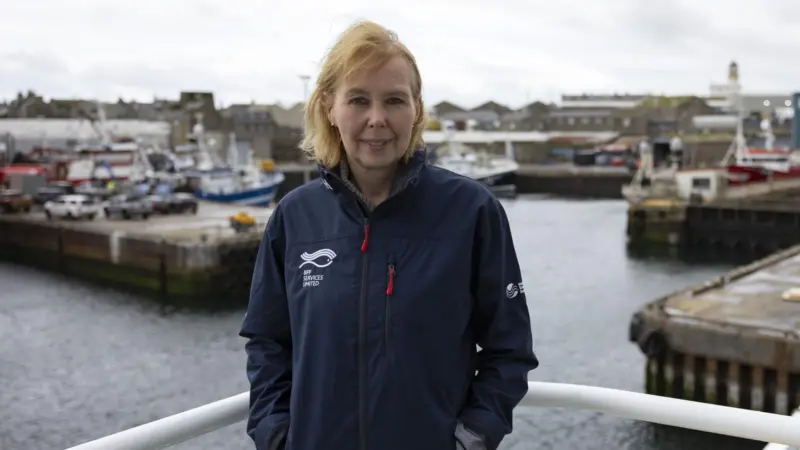
Minister of Fisheries Kristján Thór Júlíusson signs off the regulation for the 2021-22 capelin season

Minister of Fisheries Kristján Thór Júlíusson signs off the regulation for the 2021-22 capelin season

Under agreements with neighbouring nations which get a share of Iceland’s capelin fishery, this allows the Icelandic fleet a 662,064 tonne quota for this year – although capelin quotas tend to be flexible and are subject to adjustments based on research surveys while the fishery takes place.

Fishing could begin from 15th October, although by early November only one pelagic vessel was searching for early season capelin and the rest of the fleet was still occupied with blue whiting and herring fisheries. Fishing is not expected to get seriously underway until close to the end of the year – although there’s also plenty of activity already as processing plants and net lofts are gearing up for the coming season.

“It’s very satisfying to be able to sign off the regulation that can be expected to result in the biggest capelin season for two decades,” Kristján Thór Júlíusson said.

“This is great news for particular communities around the country and for the community as a whole as this generates significant revenue for the economy and increases the likelihood that we can see growth in the next few months to take us out of the Covid-related recession.”

While the announcement of a 900,000 tonne capelin quota is real reason for fishing companies to celebrate, there are concerns over the state of markets for capelin products. Photo: Vinnslustöðin

While the announcement of a 900,000 tonne capelin quota is real reason for fishing companies to celebrate, there are concerns over the state of markets for capelin products. Photo: Vinnslustöðin


Something to celebrate – but a step into the unknown


According to Icelandic industry body SFS, the approaching capelin season is a step into the unknown. Last year’s small quota of only 71,000 tonnes was largely held back by fishing companies for the later part of the season and the high-value roe fishery, as they sought to maximise the value of what was available to them. Prior to that, there had been two zero-quota seasons.

“The market situation has been unusual, which is primarily attributable to no capelin for two years and for that reason a shortage of capelin products,” an SFS representative said.

“In addition, the quota last year was on the small side compared to earlier years. These factors have a significant effect on the prices for last season’s production.”

SFS states that there are a number of unknown factors – including fleet capacity, how easily capelin can be caught and production capacity ashore.

“The substantial investments made by seafood companies in recent years, both in fishing vessels and high-tech production, will undoubtedly pay dividends.”


Markets need attention


The CEO of Westman Islands fishing company Vinnslustöðin, Sigurgeir B. Kristgeirsson said that the 900,000 tonne capelin quota this year is a real cause for celebration, but attention needs to be paid to markets that have been starved of product.

“The big news is that the capelin hasn’t disappeared, which blows out of the water the theories that the poor abundance in recent years is due to overfishing,” he said.

“My opinion is that some fishing should have been allowed in the zero-quota years and slightly more should have been allowed last year to alleviate the effects on exports markets. The capelin prices were very high after the last season – so high that buyers struggle to sell on what they bought. Companies that had previously used capelin roe have turned to other raw materials, either because there was no capelin roe available, or because they did not dare pay such a high price.”

He added that the current situation affects both the traditional Asian market and also the Russian-speaking markets.

“I’m not being pessimistic, but this demonstrates that it’s one thing to catch fish, and another process and sell it,” he said.

“Our markets for capelin are certainly damaged, and we need to pay attention to them now that there’s a large quota in sight and the consumption market has been under-supplied over a long period. What’s positive is that the salmon sector is growing steadily and salmon require feed. But the main reason for celebration is that there is a large fishery ahead from two extremely strong capelin year classes.”