




Capelin lifts Iceland
A huge capelin catch helped Iceland’s fleet to land 40% more fish in the 12 months through July 2022, with over 1.5 million tonnes of fish and shellfish recorded in the preliminary data compiled by the country’s Directorate of Fisheries.
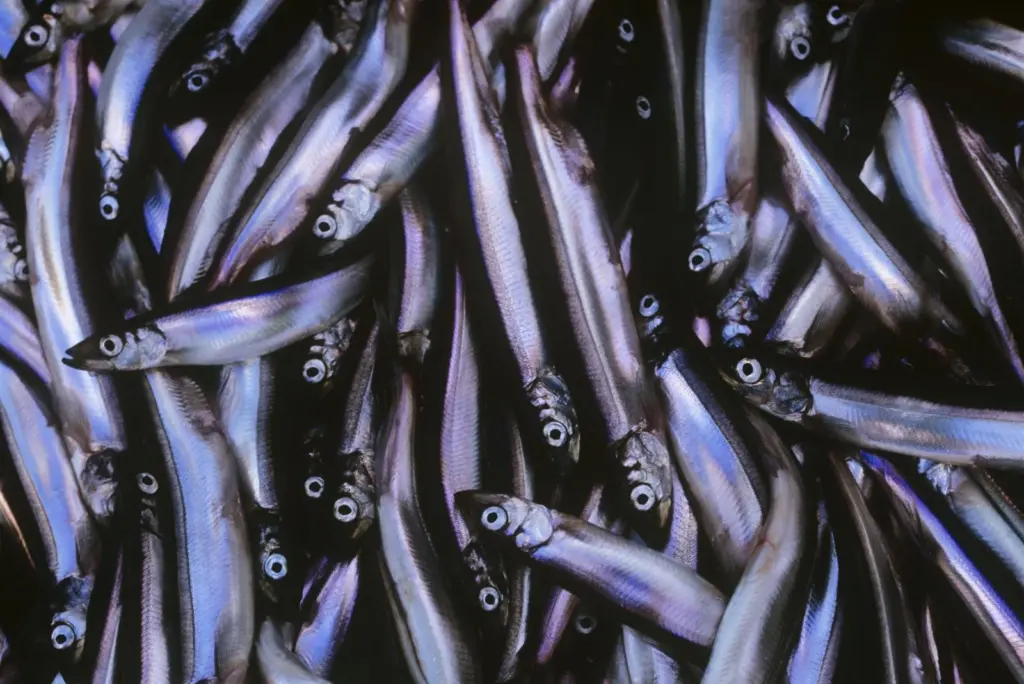
The August 2021-July 2022 pelagic catch was up 84% year-on-year to more than 1 million tonnes, with capelin accounting for more than half the volume (521,468 tonnes). In the same period, 182,783 tonnes of herring (+45%), 136,257 tonnes of mackerel (-12%) and 195,746 tonnes of blue whiting (-7%) were caught.
In the demersal category, landings totalled 439,878 tonnes, which was 8% less than in the previous 12 months. Icelandic cod catches fell 10% to 249,094 tonnes, while the haddock volume dropped 14% to 50,676 tonnes and redfish slipped 12% to 45,786 tonnes. The saithe volume increased 9% to 62,739 tonnes.
There was also a 15% decrease in Iceland’s flatfish catch to 21,103 tonnes, while shellfish landings were down 8% to 5,755 tonnes.
The authority also estimated the July 2022 catch to be 87,822 tonnes, which was on par with the corresponding month of 2021. Across the main fishery sectors, only pelagics showed any upturn – rising 11% to 61,773 tonnes.
Demersal catches fell 17% to 23,878 tonnes, almost half of which was cod. Shellfish and flatfish landings fell 2% and 37% respectively to 560 tonnes and 1,610 tonnes.
Related Articles
 FISHERIES
 FISHERIES
 FISHERIES