



$1m sustainability boost
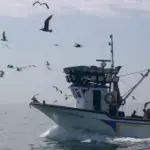
Satellite tagging stingrays, translocating sea urchins and developing deepsea cameras are among 22 projects and fisheries to have been awarded new funding by sustainable seafood certification and ecolabelling programme, the Marine Stewardship Council (MSC).

Now in its third year, MSC’s Ocean Stewardship Fund (OSF) redirects 5% of its annual royalties from the sales of MSC-certified seafood to accelerate the sustainability of fisheries globally. This year, the fund has also opened up to third-party donations from funders.
Amid global concerns about the depletion of ocean biodiversity, this year’s grants focus in part, on driving improvements that better protect endangered, threatened, or protected species or vulnerable marine ecosystems – with projects in Argentina, Greenland, Australia, the United Kingdom and France.
A total of US$936,000 in the form of 22 grants – ranging from $6,500 to $68,000 each – are awarded to fisheries, scientists, NGOs and students from 12 countries to aid international efforts in marine conservation and sustainable fishing.
At least half of the grants ($459,000) are supporting fisheries in developing economies that are transitioning to sustainable practices, including Indonesia, Mexico and India.
“Our focus on marine biodiversity will help push forward scientific understanding of how improvements can be made in fishing practices to minimise ecosystem impacts. Without doubt, our collective efforts can help to ensure our oceans remain productive and resilient in the face of the growing pressures and demands placed on them but much more needs to be done and urgently if we are to deliver the UN Strategic Development Goals by 2030,” MSC Chief Executive, Rupert Howes, said.
Harnessing satellite tagging technology in the Mediterranean, the SATHOAN artisanal bluefin tuna fishery will use the funding to understand better how stingray populations may be affected by fishing activity. The fishery releases any stingrays accidentally caught on longlines back into the ocean but needs more data to understand how the population is impacted long-term.
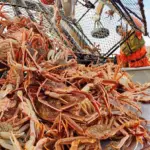
Automated, illuminated, and underwater camera monitoring systems are being designed with funding received by the Western Australian government. The cameras will be used to map overlaps between the west coast crab fishery and remote deepsea habitats. The unique system will be designed to withstand high pressure down to 1,000 metres deployment to collect habitat data which will be used to apply relevant management measures.
Another grant will also support an investigation into whether translocating red sea urchins to areas with higher densities of kelp will help stocks to recover. Local marine heatwaves, resulting in a decline in kelp forests which the urchins rely on for food, alongside overfishing have led to a localised decline in sea urchin populations. The research hopes to understand whether translocations are improving sea urchin condition or in fact, doing more damage than good to the wider ecosystem. Fishers hope that by moving the urchins to an area with an abundance of algae to eat, the population may improve.
Dr Keith Sainsbury, Fisheries Assessment Scientist and member of the Technical Advisory Board to MSC, acknowledged that all of the OSF projects promote cross-sector collaboration between scientists and fishers to solve ocean challenges, with many using the traditional knowledge of fishers to encourage successful outcomes.
“Our ocean faces a multitude of threats from overfishing to climate change and biodiversity decline but we’re still in the window of opportunity to safeguard our oceans. Sustainable fisheries management can lead to incredible turnarounds, especially when fishers are viewed as being part of the solution,” he said.
Since the establishment of OSF in 2019, the fund has issued 64 grants totalling $2.8 million.