



The University of Southampton, UK is spearheading a new £3 million research project to enhance the sustainability of mollusc farming in Asia – the world’s top producer of oysters, mussels and clams.
Funded by UK Research and Innovation, the WAVES (Working towards Adaptive and Versatile Environmental Sustainability) consortium aims to strengthen food security and protect livelihoods amid climate change, disease and commercial pressures.
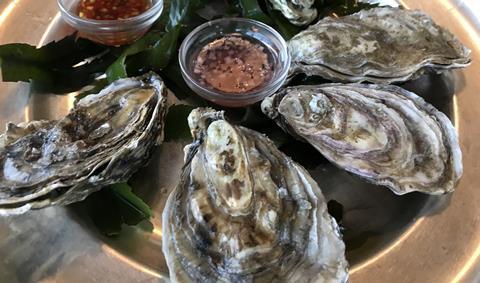
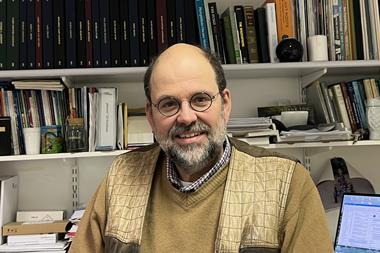
Professor Chris Hauton, from the University of Southampton, is leading the project. “A small number of species make up the vast majority of mollusc farming across Asia, and there is growing concern as to the resilience of these culture systems in the face of such an uncertain future,” he said.
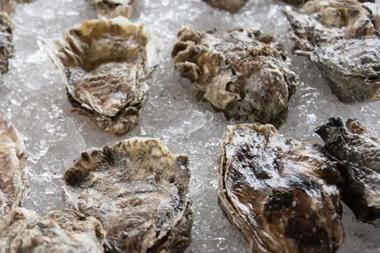
With nearly 20 million tonnes of molluscs produced annually – valued at US$29.8 billion – shellfish are vital exports and staple foods across southeast Asia.
However, shifting markets and climate threats risk undermining local food systems. WAVES will examine how adaptable various mollusc species are to environmental changes, such as rising temperatures, shifting salinity and disease.
“By better understanding these threats, this research will allow us to develop tools to plan for future sustainable expansion of mollusc aquaculture that is resilient to the impacts of climate change and therefore protect food security and livelihoods in the region,” said Dr Lucy Brunton, senior lecturer in Molecular Veterinary Epidemiology at the Royal Veterinary College which is part of the WAVES consortium.
The international consortium includes partners from the UK, Vietnam, Malaysia and Indonesia, and will collaborate with local communities to map current farming systems and key challenges.
The team will also explore how diversifying mollusc species and investing in quality hatcheries can improve resilience and nutrition.
Results will inform future policies and provide guidance to farmers, supporting a more sustainable and equitable future for aquaculture in the region.
“This information will not only help regional planners to think strategically about how best they can support mollusc farming into the future but also empower farmers to improve farming practices to produce high-quality mollusc products in a sustainable and resilient way,” said Professor Hauton.