






Salmon health testing kit
Researchers in Scotland are developing a first-of-its-kind testing tool for Atlantic salmon that could be the final piece in the puzzle for monitoring fish health from a single blood sample.
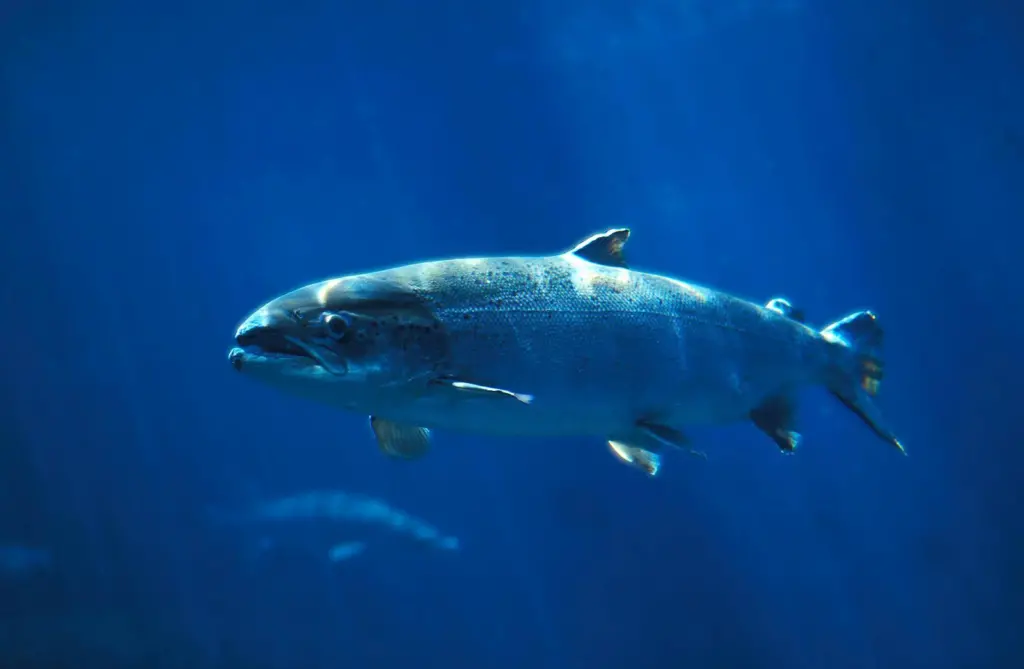
With funding support from the UK Seafood Innovation Fund and the Sustainable Aquaculture Innovation Centre, the consortium will develop antibodies to probe key markers in fish blood that indicate an immune system response to four of the most common health challenges.
Brian Quinn is a professor of ecotoxicology at the Aquaculture Health Laboratory at the University of the West of Scotland (UWS), one of the consortium members. He called the kits the ‘final piece of the puzzle for fish health. “Adding the ability to proactively monitor the immune response of salmon to existing diseases will enable quicker, preventative action to be taken when a challenge to fish health emerges,” he said.
This new approach is based on similar testing in humans and livestock and is able to differentiate between responses from infection and those from other stressors caused by, for example, diet or environmental factors.
During the five month-feasibility project, the consortium will investigate immunological biomarkers for pancreas disease, complex gill disease, bacterial infection, and cardiomyopathy syndrome in salmon.
In a second phase, they will use these biomarkers to develop a commercially available ‘high throughput’ blood testing platform.
Along with the UWS, the consortium comprises WellFish Diagnostics, Bakkafrost Scotland, Vertebrate Antibodies Limited and the University of Aberdeen’s Scottish Fish Immunology Research Centre.
Related Articles
 AQUACULTURE
 AQUACULTURE
 AQUACULTURE