


A consortium of researchers from Scotland, Norway and the Faroe Islands are working on a new benchmark testing tool to help better validate the predictions of the dispersion of sea lice in water.
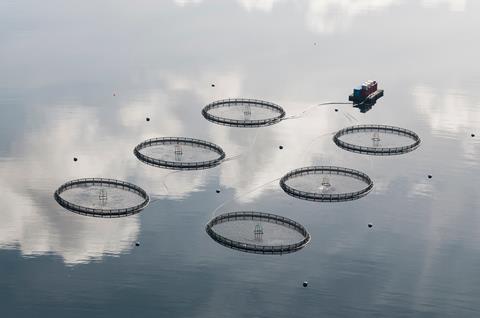
The project, known as Sustainable Aquaculture: Validating Ectoparasite Dispersal (Models) (SAVED), recently received a funding boost from the Sustainable Aquaculture Innovation Centre (SAIC).
The aim is to create a new system to validate the results of existing dispersion models, used by producers, academics and regulatory bodies.
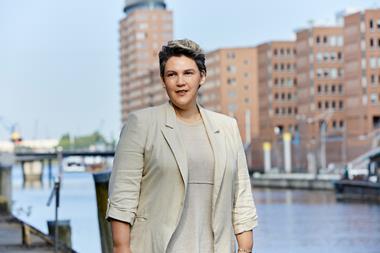
“In recent years we have seen growing demand for data-driven practices to mitigate fish health concerns, including sea lice modelling. However, valuable insight can only be based on quality data, so the tools must return dependable results that can be interpreted consistently,” said Heather Jones, CEO of SAIC.
“This project is a fantastic example of international collaboration for the greater good. The benchmark could have significant benefits in terms of helping bring about proportionate regulation and enabling the future growth and development of farming.”
Standardised approach
A variety of dispersal modelling tools are already available to help the sector manage the challenge of sea lice and inform decisions about future aquaculture sites.
However, each model works with a different set of underlying assumptions, meaning they tend to return different results.
By taking a standardised approach, the project seeks to ensure that academics, producers and regulators using any of the models currently available on the market will be able to use the online benchmark tool to provide an additional level of validation and have assurance that the output is as reliable as possible.
The free online tool will be informed by several existing physical and behavioural models, which include elements such as winds and tides, the way sea lice move in the water and how they react to light exposure.
Researchers will also combine data from Scotland, Norway and the Faroe Islands to gain a detailed understanding of the uncertainties produced in each nation’s results.
Project partners include the University of Strathclyde; Mowi Scotland; Scottish Sea Farms; Bakkafrost Scotland; the Scottish Government’s Marine Directorate; the Norwegian Institute of Marine Research; Firum, Aquaculture Research Station of the Faroes, The NW Edge, and Scottish Environment Protection Agency (SEPA), as an observer.
Heather Jones, CEO of SAIC