




Affordability and shifting trade dynamics are reshaping global seafood markets, with inflation and tariff pressures influencing consumer choices and supply chains, according to Rabobank’s latest aquaculture outlook.
Rabobank forecasts that in the United States, high import tariffs may exacerbate inflation-driven affordability concerns, prompting consumers to opt for cheaper protein alternatives in price-sensitive retail segments, while China’s seafood demand is expected to see modest improvement in 2025, supported by stimulus packages.
However, persistent consumer price sensitivity may limit growth and lead to downtrading within the protein category, the analysis suggests, adding that Europe remains a strong market for seafood, with exporters likely to redirect trade to the region from the US and China.
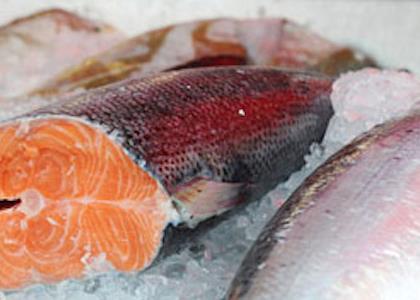
With regards to farmed species, Rabobank anticipates that after experiencing robust growth in the first-half of 2025, the global salmon supply will expand at a more moderate pace in the second-half, with an expected 5% rise.
Norway’s salmon production may slow due to elevated sea temperatures and potential biological risks, while Chile is set for a strong recovery, bolstered by healthier biomass levels.
“Salmon prices could face downward pressure, particularly in the US, where retail prices remain high despite easing wholesale prices,” said Novel Sharma, Seafood Analyst at RaboResearch. “This scenario increases the risk of downtrading in price-sensitive segments, compounded by uncertainty surrounding US tariff policy.”
In the shrimp sector, Rabobank is expecting the supply growth to decelerate, with producers potentially delaying or reducing stocking in response to US tariffs, Sharma said.
Global trade flows are being reshaped, with Ecuador benefiting from lower US duties and India pivoting toward the EU market. Vietnam and Indonesia, on the other hand, face steeper US tariffs with limited options to redirect exports. Lower feed costs will aid industry profitability, partially offsetting tariff costs.
Meanwhile, the global supply of fishmeal and fish oil is projected to maintain strong momentum in 2025, driven by Peru’s first-season anchovy quota of 3 million tonnes – the highest in seven years.
A potential transition to La Niña later in the year could further enhance biomass health and support future quotas, Rabobank said.