


MSC: Whitefish is the vanguard of the sustainable seafood market
Whitefish fisheries – including pollock, cod, haddock and hake – remain at the forefront of the sustainable seafood market, with almost three quarters of the global whitefish catch engaged with the Marine Stewardship Council’s (MSC) sustainable seafood programme at the end of 2023.
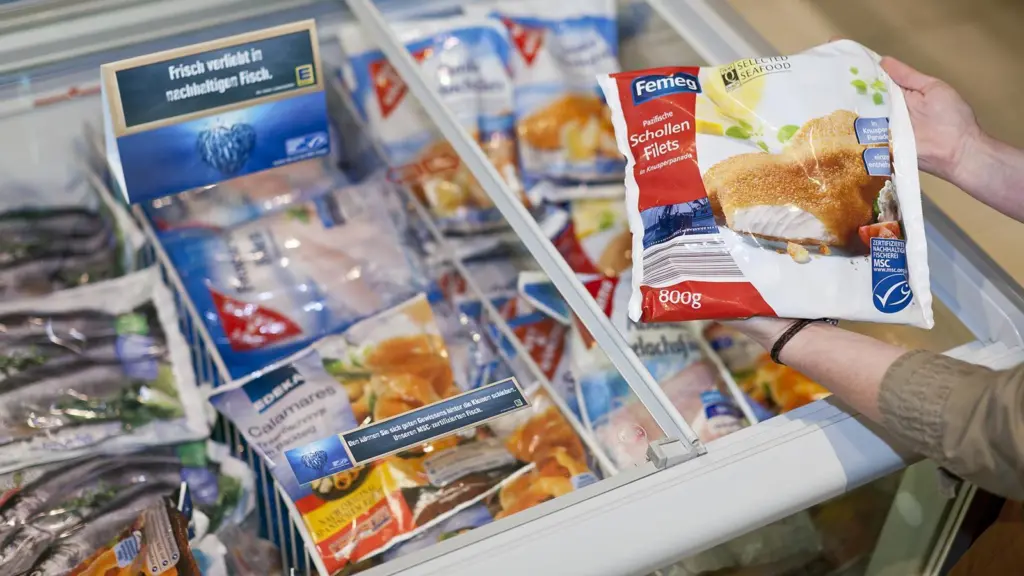
Pollock and cod are among the top 10 wild-caught marine species with the largest landings in 2021 – the latest year for which the UN’s Food and Agriculture Organisation (FAO) provides data. According to the FAO, pollock accounts for 3.4 million tonnes of total marine fisheries production.
In 2023-24, over 550,000 tonnes of MSC-labelled whitefish products were sold worldwide, finds the MSC, which has published its Sustainable Whitefish Yearbook. Most whitefish carrying the MSC ecolabel is frozen, but also includes chilled, surimi, ready meals, and fish sold at retail counters or in restaurants.
Whitefish is the biggest species group in the MSC programme, accounting for 40% of the total MSC-engaged catch. Whitefish fisheries are amongst the most longstanding certified fisheries, many having been engaged with the programme for more than two decades.
According to the MSC, this engagement is the basis upon which the global market for sustainably sourced seafood has been built.
As well as showing the work done by fisheries to achieve progress, the Sustainable Whitefish Yearbook also profiles the brands using MSC-labelled products to drive growth globally.
“The steady and sustained growth of supply in MSC-certified whitefish is a testament to our partners’ strong desire to demonstrate their fishery’s sustainability through the MSC programme,” MSC’s Chief Programme Officer Nicolas Guichoux said. “We are proud to partner with some of the best managed whitefish fisheries in the world who have helped to transform the whitefish supply chain and safeguard stocks of these hugely popular fish for current and future consumers.”
The yearbook details some of the longstanding whitefish fisheries in the MSC Programme, including the Bering Sea and Aleutian Islands Pacific cod fishery, a component of which became the 13th fishery in the programme to be certified in February 2006. Its fisheries management helped it to respond to falling fish stocks caused by marine heatwaves in 2020. The stocks quickly re-bounded.
Also profiled is the Icelandic lumpfish fishery which used digital logbook registration apps, closed certain fishing areas, implemented hunting bans and increased the incidence of observers on vessels to drive a marked reduction in by-catch.