


Investigation: Chinese tuna fleet used North Korean forced labour
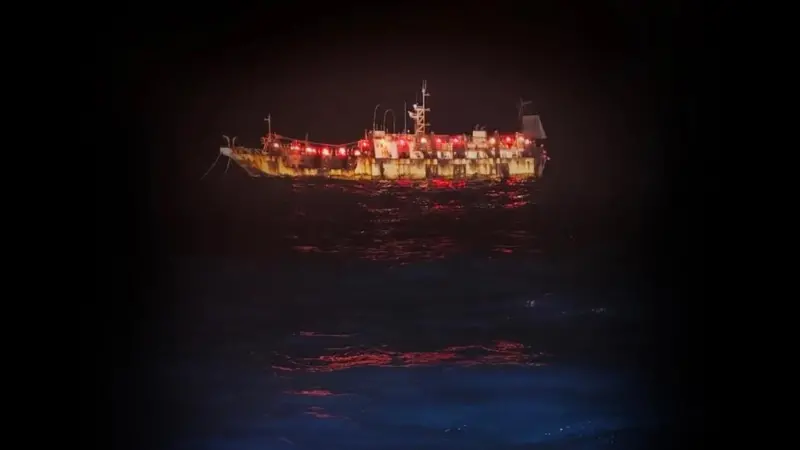
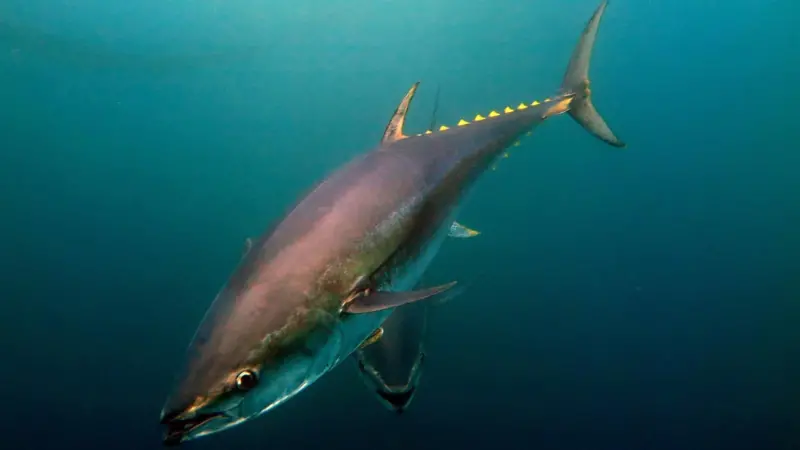
A fleet of Chinese tuna fishing vessels operating in the Southwest Indian Ocean reportedly used North Koreans as crew between 2019 and 2024, likely violating UN sanctions, with many apparently subjected to abuses, including being trapped at sea for up to a decade, on vessels involved in illegal fishing and the killing of dolphins, according to a new investigation from the Environmental Justice Foundation (EJF).
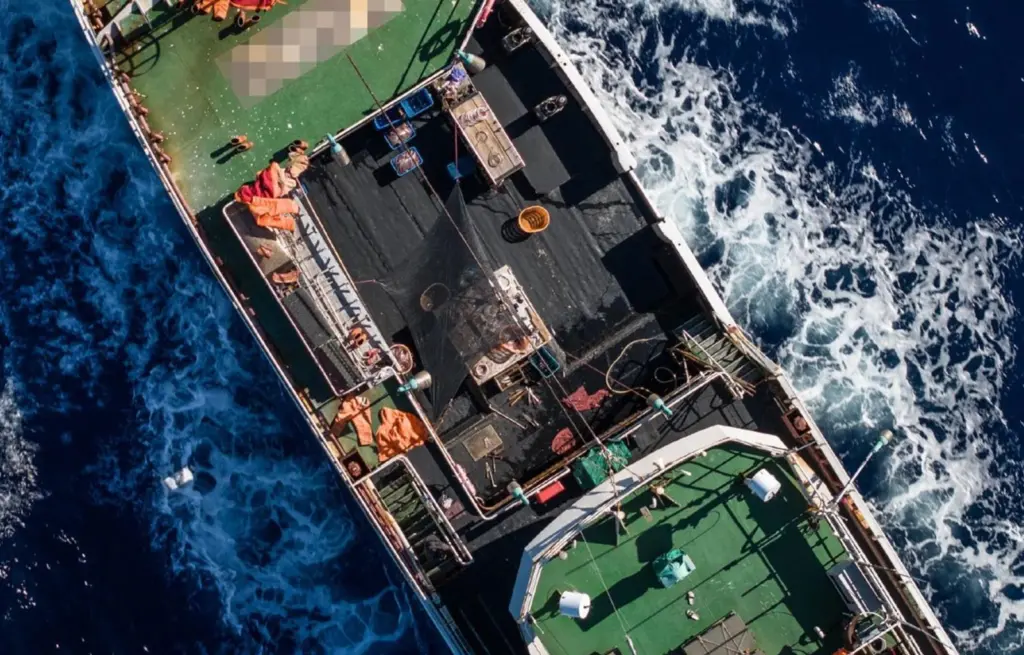
EJF identified the presence of North Koreans across 12 tuna longliners operating in the Indian Ocean, based on interviews with Indonesian and Filipino crew who worked on the vessels between March 2019 and June 2024. The NGO said the use of North Korean crew appears to have bypassed legal frameworks designed to prevent goods produced by North Koreans entering global supply chains.
China is a key destination for North Korean labour, with the country believed to host as many as 100,000 workers, including in seafood processing plants exporting to the EU and US. However, this is the first time North Korean labour has been publicly documented on a distant-water fishing vessel.
EJF said the experiences of the North Korean crew, and particularly the number of years they allegedly spent at sea, constitute forced labour of a magnitude that surpasses much of that witnessed in a global fishing industry already replete with abuse.
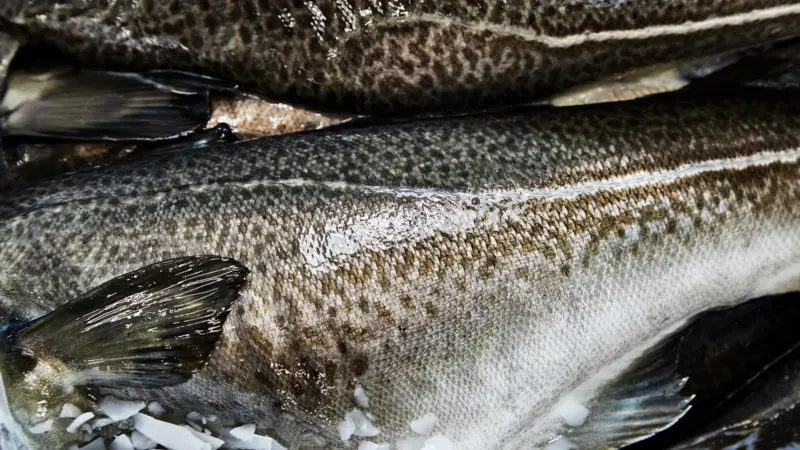
Its investigations show the vessels allegedly using the North Korean labour have potentially supplied seafood markets in the UK, EU and Asia, despite the aforementioned legal frameworks.
The North Korean crew were passed from vessel to vessel, using a method called “transhipment” to prevent them from returning to land. Severe restrictions were placed upon their freedoms, such as not being able to leave the vessels during port visits and not being allowed mobile phones, which both come under the International Labour Organisation’s indicators of forced labour.
Testimonies revealed that the captains were actively concealing their presence onboard the vessels.
One Indonesian crew member told EJF: “Six Koreans were not allowed to go home even after they completed their four-year contract. They were just moved from one ship to another.”
EJF said this fleet exists within a broader context of illegal fishing, intentional targeting of vulnerable wildlife and human rights abuses associated with the Chinese fleet in the Southwest Indian Ocean, demonstrated by previous EJF investigations.
Across the 12 vessels using North Korean labour, it also identified examples of shark finning, fishing for prohibited species and the capture of marine megafauna, such as dolphins.
Alongside restricting the rights of the North Koreans, the crew reportedly experienced physical abuse, verbal abuse and excessive overtime.
This occurred because of multiple failures in fisheries management and port controls, EJF said. It insisted that flag states and Regional Fisheries Management Organisations (RFMOs) must collectively and urgently enshrine transparency measures which will materially help combat forced labour at sea.
“The use of North Korean labour onboard Chinese fishing vessels is a damning indictment of the failure to regulate our oceans. Illegal fishing and human rights abuses can be found almost without exception onboard China’s distant-water vessels. However, the use of North Korean forced labour for such long periods is a particularly severe example of the egregious misconduct uncovered by EJF,” EJF CEO and Founder Steve Trent said.
“The ripple effects of this can be felt far and wide, with the fish caught using this illegal labour reaching seafood markets across the world. China bears the bulk of the responsibility, but when products tainted by modern slavery can be found on our own plates, it is clear that collective responsibility needs to be taken by flag states and regulating bodies as well. Failure to take the necessary, low- or no-cost steps to end this outlined by the Charter for Fisheries Transparency, from mandatory transmission of AIS signals to the elimination or close monitoring of trans-shipment, means turning a blind eye to extreme, avoidable suffering.”