




Cautiously optimistic outlook for aquaculture in first-half of 2025
The global aquaculture sector is poised for growth in the first-half of 2025 despite facing uncertainties, according to Rabobank’s latest RaboResearch report. Published by Rabobank’s Global Animal Protein Sector team, the “Global Aquaculture Update 1H 2025”, subtitled “Navigating Growth Amid Uncertainties” expects the salmon industry to continue its recovery with fewer biological challenges, while shrimp farmers are anticipated to improve their margins as oversupply issues diminish.
Among the potential boosters of seafood demand, the report highlights that inflation is easing in Western countries. However, it also notes US President Donald Trump could trigger trade war-induced inflation, affecting disposable incomes and shifting demand toward more affordable proteins like chicken. Additionally, in China, ongoing economic uncertainty and the need for fiscal support may hinder demand recovery for aquaculture products in the first-half of 2025.
Meanwhile, fishmeal prices are expected to face downward pressure as they adjust to the lower prices of feed alternatives.
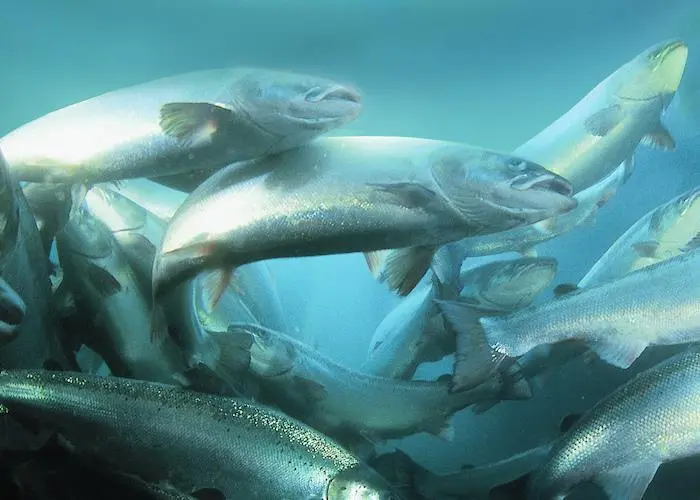
The update states that after a challenging 2024, the global salmon industry is on a path to mild recovery, with growth anticipated between 1% and 2% in the first-half of 2025, provided no unforeseen biological issues arise.
It advises that Norway is better prepared for biological challenges, and the El Niño-related problems that affected Chile in 2024 are not expected to recur. However, low biomasses will limit supply growth in the first-half of the year, with further gains in the second-half dependent on resolving lice issues from 2024.
“Given the tight supply and improving demand, we expect salmon prices to remain supported in the first half of 2025, though they will not reach the peaks seen in early 2024,” said Gorjan Nikolik, Senior Seafood Analyst for RaboResearch and co-author of the report.
Alongside elevated but competitive salmon prices, shrimp prices are projected to continue their gradual recovery as supply adjustments lead to a more balanced market.
The analysis explains the second-half of 2024 saw a slowdown in the shrimp supply growth and a recovery in prices in Western markets. These were alongside declining feed costs that benefited shrimp farmers.
It suggests that while these factors provide a positive outlook for the first-half of 2025, uncertainties persist: Chinese demand remains uncertain, EU demand growth may weaken, and potential US tariffs pose risks.
“We expect growth rates to remain low, particularly in Ecuador, due to uncertain Chinese demand,” Nikolik said. “Asian suppliers also face volatility from Western buyers and possible disease pressures, which could offset the advantages of lower feed costs.”
On the fishmeal price forecast, Rabobank notes that return of La Niña and neutral conditions have increased the fishmeal supply from Peru, which has compensated for the weaker supply from Europe.
This, combined with an ample supply of vegetable alternatives, has led to a partial correction in fishmeal prices, it said.
Fishmeal and fish oil production rebounded in 2024 as El Niño effects subsided in Peru, while the current fishing season in Peru, running from November 2024 to January 2025, is expected to deliver strong supply growth early in 2025, exerting pressure on prices, which have already corrected significantly.
According to Nikolik, there is optimism for Peru’s first season in 2025, likely starting in May or June, given the expected La Niña or neutral climate conditions in the Pacific Ocean.