





Triumph for Australian tuna
A new draft South East Marine Parks Management Plan has been unveiled by Tanya Plibersek MP, Minister for the Environment and Water. But while it has been designed to bolster marine biodiversity protection, some industry leaders say the plan has introduced new challenges. They have warned that while there are wins for conservation, the reduced fishing access will have unintended consequences and consumers are likely to face higher seafood prices as fisheries grapple with shrinking grounds and rising costs.
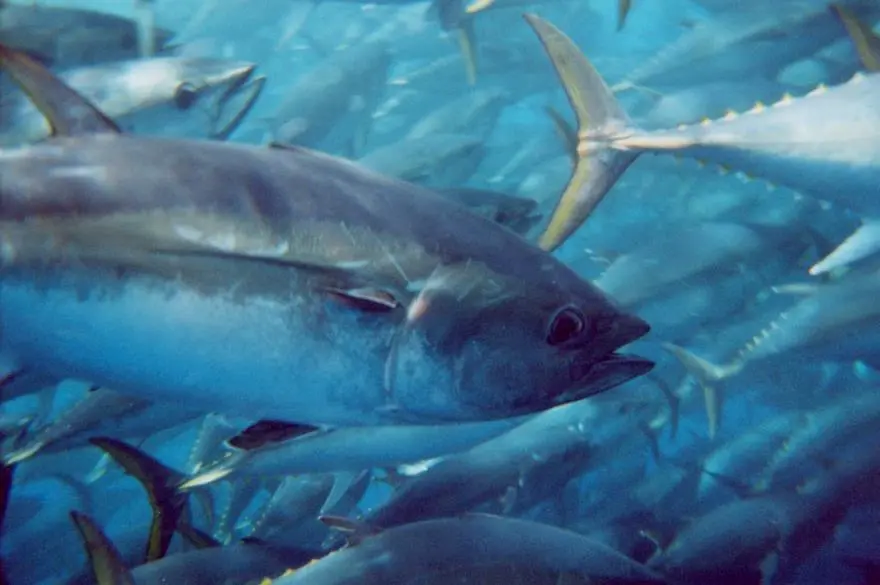
More positively, alongside the plan, Minister Plibersek has delisted of southern bluefin tuna (SBT) as a conservation-dependent species.
The recovery of SBT stocks, following years of strict conservation measures, is hailed as a significant victory for Australia’s seafood industry.
Seafood Industry Australia (SIA) CEO Veronica Papacosta has praised the extensive consultation process leading up to the plan, and said the SBT delisting served as proof of the industry’s commitment to sustainable practices.
“The increased level of consultation by the minister and her department has allowed us to engage meaningfully, resulting in balanced solutions that protect both marine biodiversity and the seafood industry’s future,” Papacosta said.
Australian Southern Bluefin Tuna Industry Association CEO Daniel Casement also hailed the recovery of tuna stocks as a major accomplishment.
“The removal of Southern Bluefin Tuna from the EPBC Act’s conservation-dependent list is a testament to the strong recovery of SBT stocks under rigorous management. It’s crucial this recovery through an ongoing commitment to responsible resource management and research, translates into ongoing fishing access and economic opportunities for the SBT purse seine fishery,” he said.
Meanwhile, South East Trawl Fishing Industry Association (SETFIA) Executive Officer Simon Boag has expressed concerns about the impact of the new marine park zoning on the shark (flake) fishery, which is a staple of Australia’s iconic fish and chips sector.
“The proposed South-East Marine Parks Plan will impact the shark (flake) fishery, which, given marine parks and other fishery closures, has now lost access to 90% of the grounds it had 20 years ago,” he said.
Boag also highlighted the looming impact of offshore wind farms in Gippsland, which could further reduce access to key shark fishing areas. To alleviate these pressures, he proposed an industry-specific solution.
“The answer to rising fish and chip prices is management levy relief, given the new SE parks have reduced the risks associated with shark fishing. The industry is already under pressure, and additional closures and restrictions will make it harder to keep prices affordable for consumers.”
SIA said that while the recovery of SBT is testament to successful resource management, the industry’s future hinges on maintaining access to key fishing grounds. It acknowledges that the draft South East Marine Parks Plan attempts to strike a delicate balance between conservation and industry needs, but also noted the undeniable strain that it places on certain fisheries.
Austral Fisheries, which operates in the Patagonian toothfish fishery in the HIMI zone, celebrated the biodiversity outcomes of the plan while acknowledging the ongoing challenge of balancing conservation with industry needs.
In a statement it said: “Austral acknowledges the challenge of finding the balance between conservation and the use of renewable natural resources. This plan puts responsible commercial fishing front and centre in this special part of the world, while also providing valuable protection for key habitats.”
Adding: “Industry calls on government to ensure resources are provided to manage and monitor expanded protected area.”
The public consultation on the plan runs from 11 October to 14 November 2024.