



The United Nations’ agreement on Biodiversity Beyond National Jurisdiction (BBNJ), also known as the “High Seas Treaty” has been adopted by the European Council. With the decision, taken on 17 June 2024, the EU is now ready to formally deposit the ratification instrument, which the EU and its Member States are committed to doing before the next UN Ocean conference in June 2025.
According to the European Commission, the EU played a key role in reaching the BBNJ agreement and it strongly encourages all countries to promptly ratify the treaty.
It will enter into force once it receives 60 ratifications. Currently, seven countries have ratified the treaty and 89 have signed it.
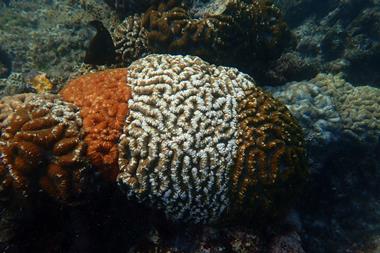
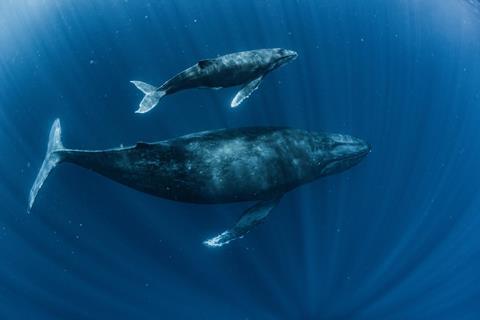
The treaty will provide for shared governance over approximately half of the Earth’s surface and 95% of the ocean’s volume. It will allow for the establishment of marine protected areas (MPAs) on the high seas, safeguarding the ocean from human pressures in a major contribution to addressing climate change, protecting biodiversity and achieving the objective to protect at least 30% of the planet by 2030.
It also addresses ocean protection, with only about 1% of the high seas is currently protected. The areas covered by e treaty are essential for both ecological resilience and resource provision for people.
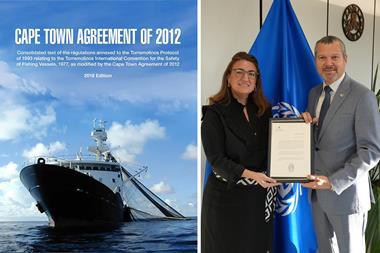
European Commission President Ursula von der Leyen signed the High Seas Treaty on behalf of the EU in September 2023. In October 2023, the Commission presented to the Council a proposal to conclude this treaty. In April 2024, the European Parliament gave its consent to the conclusion of the Treaty of the High Seas with an overwhelming majority.
Areas beyond national jurisdiction comprise the high seas and the seabed beyond national jurisdiction. They contain marine resources and biodiversity and provide invaluable ecological, economic, social, cultural, scientific and food security benefits to humanity. However, they are under mounting pressure from pollution, overexploitation, climate change and biodiversity loss.