




US bans Chinese firms amid forced labour claims
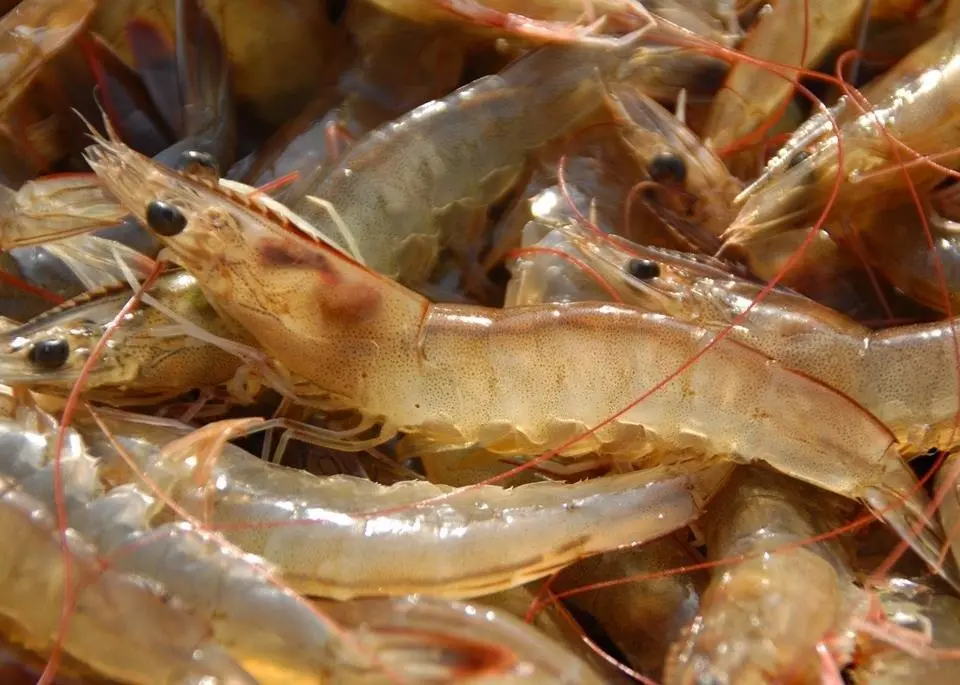
The US government has added a Chinese seafood processing company to its list of entities suspected of engaging in forced labour, in a bid to combat illegal, unreported and unregulated (IUU) fishing.
Shandong Mejiia Group joins a footwear company and aluminium company on the Uyghur Forced Labor Prevention Act Entity List, barring their products from entering the US with effect from 12 June 2024.
The Forced Labor Enforcement Task Force has seen information suggesting that the seafood processor participated in programmes to transfer persecuted workers from the Xinjiang Uyghur Autonomous Region to work in its factory in Shandong.
“Shrimp supply chains have a disturbing pattern of profiting off of the globe’s most vulnerable populations,” said John Williams, executive director of the Southern Shrimp Alliance.
“The Forced Labor Enforcement Task Force’s initiative to counter forced labour in seafood supply chains sends a strong message to US seafood importers that chasing lower costs and higher margins cannot replace ethical and legal obligations.”
Nonprofit conservation group, Oceana, has broadly welcomed the ban but warns that more should be done to improve transparency, pointing out that that gaps in the Seafood Import Monitoring Program are allowing IUU fishing to flourish.
Established in 2016, the SIMP requires catch documentation for some seafood at risk of fraud but applies to just 13 types of imported seafood and then only traces them from boat to US border.
“If the United States required traceability for all seafood imports, it would have even more tools at its disposal to ensure illegally caught seafood, and seafood produced using forced labour, is not ending up on our dinner plates,” said Oceana’s Illegal Fishing and Transparency Campaign director Dr Max Valentine.
“The National Oceanic and Atmospheric Administration should follow the lead of DHS and expand the SIMP to all imports so we can continue tackling this issue head-on.”
Related Articles
 SEAFOOD
 PROCESSING & REFRIGERATION
 SEAFOOD