

Kate Forbes: Seafood industry success essential to Scotland
Scotland is proud of its seafood industry and is committed to ensuring it has a sustainable future, according to Deputy First Minister and Cabinet Secretary of Economy and Gaelic Kate Forbes.
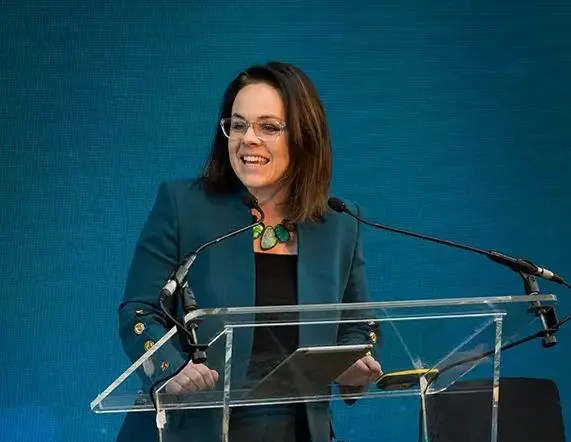
Speaking at the 2024 Responsible Seafood Summit, held in St Andrews Scotland, Forbes highlighted the importance of the country’s seafood industry to the national economy.
Scotland has “rightly earned” an international reputation for quality and provenance at a time when consumers are increasingly interested in how their food is produced, the minister said. “Combine that with our businesses and our entrepreneurs who have the ambition, who have the capability, who have the innovation to influence and respond to global food trends, and you see why Scotland’s food and drink sector has become one of our fastest growing export sectors that we have.”
Seafood is a “critical part” of Scotland’s wider food and drink sector, contributing GBP 1.2 billion in gross value added (GVA) to the economy, she said, adding that it also accounts for 53% of Scotland’s overall food exports, with sales of Scottish farmed salmon alone worth GBP 1.6 million every day of the year.
“That’s truly remarkable in terms of the figures, bearing in mind, we are a small country.”
Overseas sales are key moving forward, and Forbes said the government would continue to support exporting businesses. Part of this is being done through a team of dedicated food and drink in-market specialists operating in key countries around the world with the remit to help sell more Scottish produce, and to connect companies with retail and foodservice buyers.
“We want to foster those relationships; we want to nurture those relationships – to make sure that our network is as strong as possible.”
When it comes to supporting the industry, Forbes explained the government’s commitment is essentially threefold: First, to recognise the value of the industry is found in international connections. Second, to make sure decision-makers are well connected to local communities and employment sources, and observing that this where this sector alone can transform a region when it comes to employment prospects. The third area is to know that the quality of the product is what Scotland stands for.
“As a country, as an industry in Scotland, we are absolutely committed to being first in class, to being a global leader when it comes to international trends, and to ensuring that it’s quality people think of first and foremost whenever they see a product that is exported from Scotland.”
With regards to aquaculture, Forbes said that a “modern, responsible sector” had been built in Scotland, and that it’s “thriving in harmony with the environment that enables and sustains it”.
“Just last summer, we set out vision for the long-term, sustainable development of aquaculture in Scotland across the finfish, shellfish and feed sectors. We want Scottish aquaculture to continue to flourish, attracting investment.”
Ultimately, though, alongside the government’s enabling endeavours, she told the conference that the success of the seafood industry will depend on the strength of the product, the strength of the sector and the international connections that are established.
“This will be led by the ambitious, brilliant people working in sector and the strength of the relationships that they build with people across the world. We want to see that happen… Ultimately, if [they] are successful, then the people in our communities will benefit.”