





Indonesia adopts GDST seafood standard
Indonesia has taken a groundbreaking step by upgrading its national seafood traceability system, Stelina, to be compatible with the Global Dialogue on Seafood Traceability (GDST) Standard.
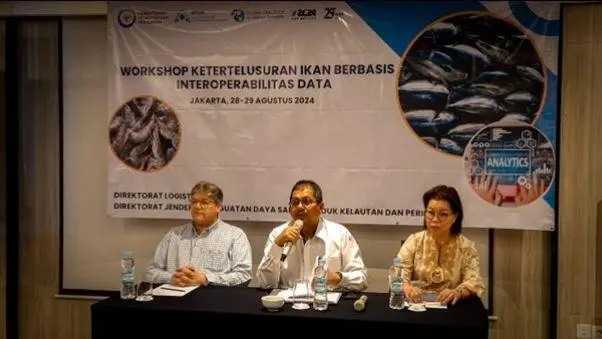
Reportedly the first country in the world to do so, this achievement reflects Indonesia’s leadership in adopting technology to support responsible fisheries management, working alongside stakeholders such as the Indonesian Pole & Line and Handline Fisheries Association.
“The integration of the GDST Standard into Indonesia’s Stelina system is a global first and a remarkable milestone in aligning industry traceability systems with government frameworks,” said Huw Thomas, the interim executive director of the GDST.
Indonesia’s Stelina traceability system tracks seafood throughout its journey, from boat to market, by capturing essential data about its origin, handling and legality.
By upgrading Stelina to align with the GDST Standard, Indonesia can now enable data sharing between seafood businesses and government, ensuring sustainability and compliance with international trade standards.
This provides greater reassurance to markets such as the US, which imports seafood from Indonesia worth close to US$900 million.
“As a country with one of the largest and most diverse fisheries sectors, Indonesia is taking a leading role in adopting and implementing the GDST standards,” said Berny A. Subki, director of logistics at the Indonesian Ministry of Marine Affairs and Fisheries.
“The GDST project aligns perfectly with international market demands, ensuring that Indonesia’s seafood products are not only high-quality but also traceable and ethically sourced.”