



A pilot community project to create a new locally-sourced fish finger for school lunches has been launched in the UK port city of Plymouth.
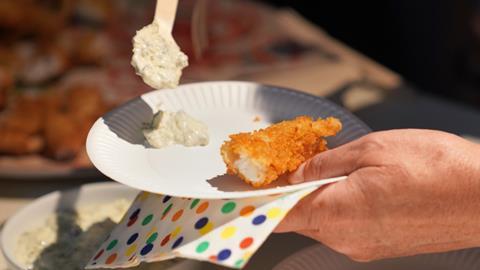
Known as the “Plymouth Fish Finger”, the project is making use of by-catch fish from local fishers, taste testing them with school children, with a plan to serve them in school meals locally.
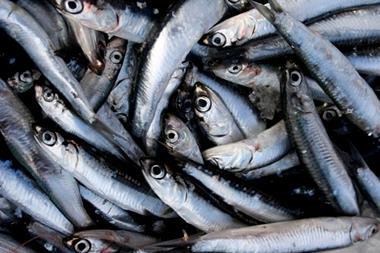
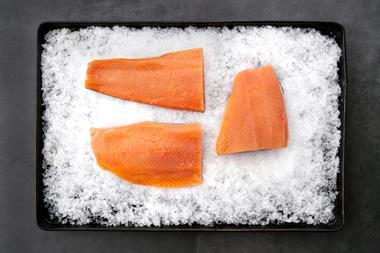
Fish species involved include whiting, pouting and dogfish, and the project ensures small scale coastal fishers (vessels under 10 metres) receive a fair price for something that is normally low-value and underutilised, while getting healthy and sustainable food into local schools.
The project is co-led by the University of Plymouth, Sole of Discretion CIC, Plymouth Fishing & Seafood Association and CATERed and is part of the national FoodSEqual programme to explore how to improve access to healthier foods for people all over the UK.
As part of FoodSEqual, Dr Clare Pettinger, a researcher at the University of Plymouth, held several workshops with the local community in Whitleigh, Plymouth, to see what they knew about fish, and what might encourage them to eat more of it. Themes emerged such as finding opportunities to try new fish and improving access to fish, so the focus on a local, sustainable fish finger was born.
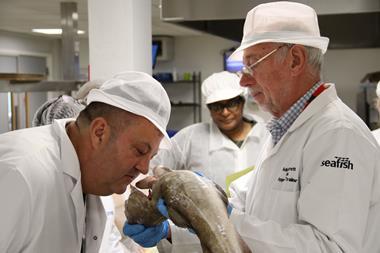
Pettinger worked with Caroline Bennett from Sole of Discretion CIC and Ed Baker from Plymouth Fishing & Seafood Association to explore how to bring fishers into the conversation, and when the by-catch species were identified, pupils at Sir John Hunt Community College held a series of taste sessions for the fish and breadcrumbs to design and make the new product.
CATERed, which provides the majority of Plymouth’s school meals, was also brought onboard and is fully supportive of bringing the fish finger into circulation.
“What’s amazing about this project is the collaboration that has formed around it. We have championed a community co-design model which has led to the project’s success. Our amazing local partners have a shared vision for the Plymouth Fish finger because it belongs to the community, promotes Plymouth Seafood brand and provides true pride and identity in the product. Our next challenge is to upscale the process and ensure it’s truly sustainable,” Pettinger said.
The next challenge is to mechanise the manufacturing process in order to produce the 36,000 fish fingers needed for school meal cycle in Plymouth schools. This will require philanthropic investment.
Work is also ongoing to ensure the fish fingers adhere to necessary industry standards to be classified as fully sustainable.
“We know this project is a positive thing for the city and we’ve got a proof of concept, it’s just a case of upscaling and finding the necessary support to bring it to more people. At the very least, we’ve shown that a community of practice can achieve fantastic things, so we hope other areas of the UK feel inspired. We don’t just have to accept that things won’t change when it comes to accessing healthy food at a reasonable cost – together we can achieve so much,” Pettinger said.