
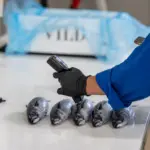

Greener fish packaging
A new European initiative is looking to replace the single-use plastic film typically used to preserve frozen fish with a biodegradable/edible alternative.
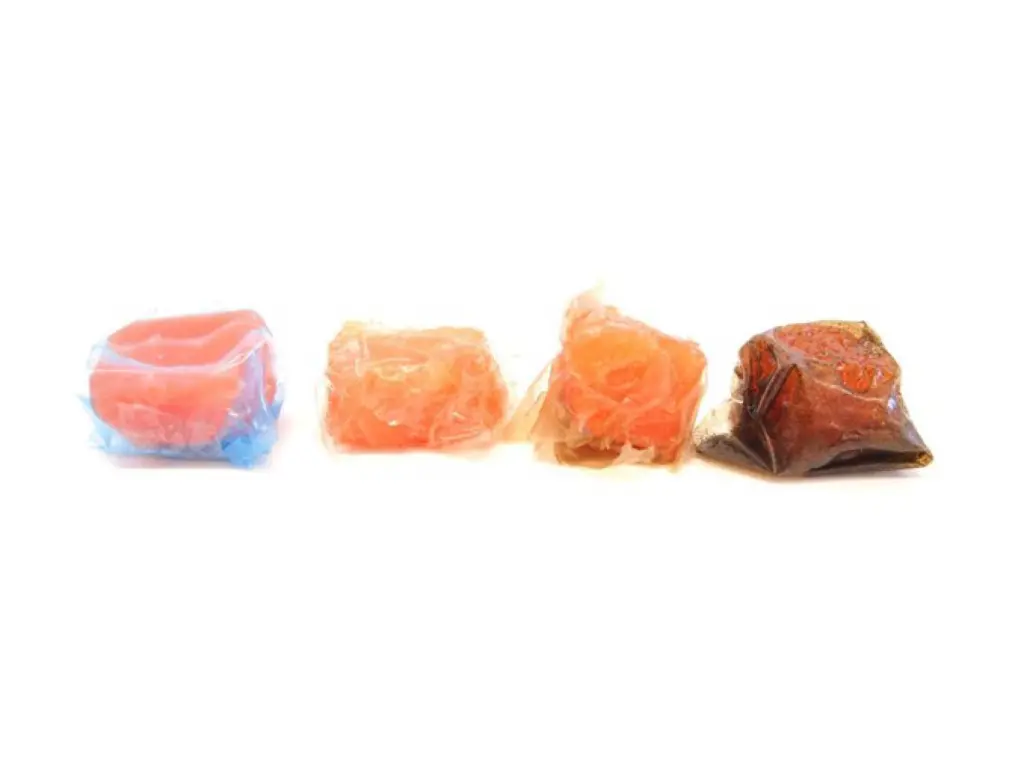
With support from the European Maritime and Fisheries Fund (EMFF), the SeaFilm food packaging project aims to create a substitute for single-use plastic film. Its new solution is based on bioactive seaweed extracts and edible algae.
As well as helping to conserve frozen seafood for longer while maintaining quality, the project being undertaken by researchers at the Polytechnic University of Leiria in Portugal is in line with the EU’s objectives of fighting plastic pollution, reducing food waste and boosting the algae sector.
The recognition that too much plastic was being used and that fish were being poorly conserved got the researchers thinking about different solutions. Coupled with the problems arising from plastic pollution and restrictions on single-use plastics, the concept of an edible biofilm for frozen fish was born.
The SeaFilm project is looking to provide the industry with a new algae-based edible solution to replace plastic films whilst increasing product shelf-life through the incorporation of bioactive seaweed extracts.
After defrosting the frozen fish, the biodegradable film can either be disposed of or eaten along with the fish. In the latter case, it has been suggested the edible film could include seasonings to create a meal that is tasty, convenient and easy to cook.
“With the SeaFilm project we replaced synthetic packaging materials for frozen fish with a marine macroalgae-based biomaterial, which will contribute to the reduction of single-use plastic and to the reduction of food waste,” the researchers said in a statement.
The film has been validated for shelf-life extension in frozen salmon, significantly reducing freezer burn. Recent results also indicate that it might also extend the shelf-life of seafood after defrosting, by delaying microbial growth.
For most species tested, the researchers observed a delay in the development of microorganisms after thawing.
The research team has already been approached by industry to produce biofilms for other species such as cod and hake.
Related Articles
 PROCESSING & REFRIGERATION
 SEAFOOD
 SEAFOOD