Marine litter is recognised as one of the most urgent threats to biodiversity, fisheries and coastal livelihoods. But an ambitious collaboration between NGOs, technology providers and fishing communities is proving that solutions are within reach.
The Upcycling the Oceans initiative – led by the Ecoalf Foundation and Ecoembes, with support from the Santander Foundation – has announced that more than 225 tonnes of marine waste have been collected from Spanish waters since 2023. The achievement highlights the role that fishers and ports can play in protecting marine ecosystems when technology, science, and local knowledge converge.
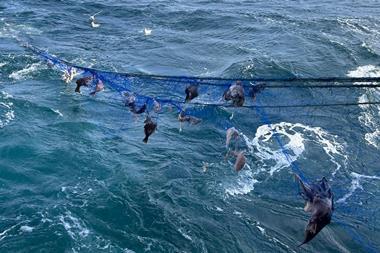
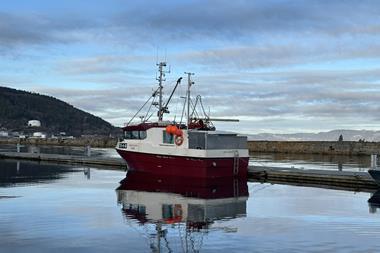
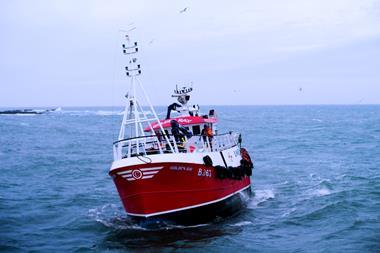
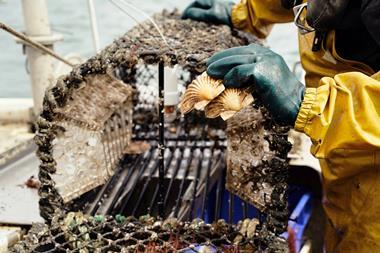
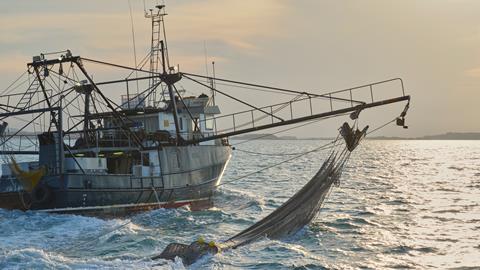
The backbone of the effort has been a network of 35 ports and their trawler fleets, who have integrated passive litter collection into their daily routines. Without disrupting operations, crews bring ashore the debris that becomes trapped in their nets, ensuring it enters proper waste management systems rather than returning to the sea.
“This is about more than waste collection – it’s about showing how traditional fishing practices and environmental stewardship can go hand-in-hand,” project leaders said.
Innovation at sea: Satlink smart buoys
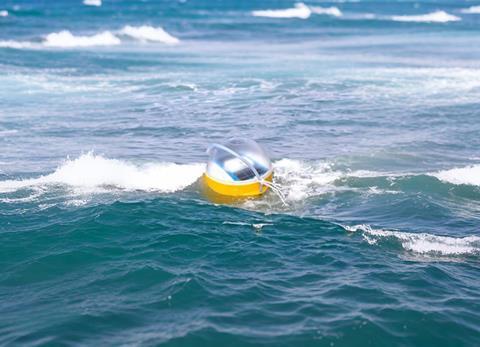
One of the most groundbreaking elements of the project has been the use of smart buoys developed by Spanish technology company Satlink. Equipped with GPS and current-prediction software, the buoys can track and signal the movement of floating litter, enabling small-scale fishing vessels to mark and recover waste without having to store it on board.
Piloted in Torrevieja, Delta del Ebre and Port de la Selva, the system has proven both practical and popular among the fishing sector, showing that relatively simple digital tools can significantly expand participation in the fight against marine debris.
True to its name, Upcycling the Oceans doesn’t stop at collection. Waste brought ashore is sorted and treated within the Ecoembes recycling network, ensuring that plastics, metals, and other materials are given a new life. The model demonstrates how a circular economy approach can be applied to one of the planet’s most pressing environmental issues.
Awareness and collaboration
Beyond the numbers, the initiative has invested in outreach, conducting more than 90 port visits and 40 awareness sessions to build trust with fleets and strengthen their role as environmental stewards. Educational activities and international forums have also helped position the project as a model that could be replicated in other regions.
The partners now see potential to expand the approach further, integrating new technologies for waste traceability and marine observation, while extending collaboration between fishers, NGOs and governments.
“This project shows that marine protection doesn’t have to be abstract or distant – it can be built locally, with the people who know the sea best,” project leaders said.
As pressure grows on governments and industries to address marine plastic pollution, Upcycling the Oceans is offering proof that collaborative, tech-enabled solutions can not only reduce waste but also create pathways for sustainability, innovation and community resilienc