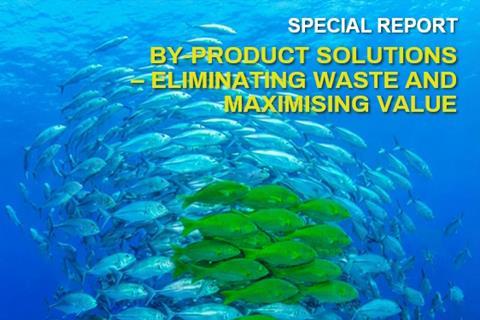



Globally, food waste is a major issue in the seafood industry. A 2024 report from the World Economic Forum found that 15% of fish and seafood in the food chain goes to waste. But according to the UN Food and Agriculture Organization (FAO), the figure is even higher; around 35% of harvested fish and seafood is said to be either lost or wasted along the supply chain.
Aquatic foods are critical to global nutrition and food security, and their consumption is increasing each year. Making sure that they end up on consumers’ plates is crucial to reducing waste and enhancing long-term food security. But although the size of the food waste problem is significant, technology, innovation and collaboration can provide new strategies to be less wasteful.
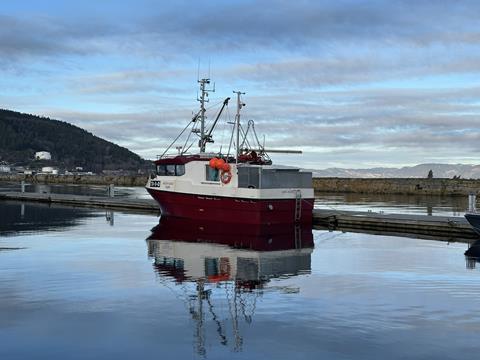
This view is echoed by a team of researchers at independent research organisation SINTEF Ocean in Norway. They say that one way to reduce seafood waste is to install improved refrigeration on board fishing boats. To tackle this challenge, the researchers are testing low-energy refrigeration systems that could help small fishing boats not only reduce food waste but also improve catch quality and cut operating costs. Hopes are high that the work will make key contributions to improving onboard storage for small-boat fleets and offer a practical solution to help them secure accessible cooling technology.
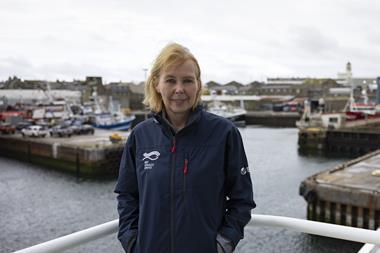
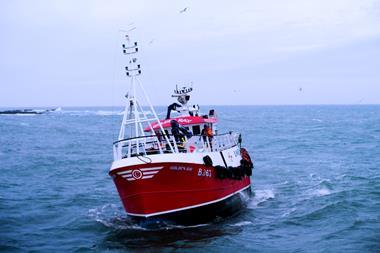
“Many small fishing vessels in Norway that only go out to sea for a day or so lack sophisticated refrigeration systems,” Kristina Norne Widell, Senior Research Scientist at SINTEF Ocean, told WF. “In some cases, they don’t even carry ice. But in the summer, the temperature at sea can be up to 15°C. If there is no cooling system on board, product quality deteriorates rapidly. Meanwhile, some species, such as langoustines, are sensitive to temperature fluctuations and need to be kept at a constant temperature. This is why improved refrigeration systems on small fishing vessels are crucial, especially during the summer months, to preserve catch quality.”
Small-scale benefits
Small fishing vessels in Norway make up 80% of the country’s 5,600 registered fishing boats, said Widell. Although they play a key role in landing species such as cod, crab, and other whitefish, only 5% of their catch is currently refrigerated, which can result in reduced freshness, lower quality, and seafood waste. Maintaining low temperatures is one of the most effective ways to enhance shelf-life and quality, but most refrigerated systems on the market require custom installation, adding cost and complexity.
The availability of small refrigeration systems with sustainable working fluids is also limited. Meanwhile, small fishing vessels face other challenges such as competition with larger vessels that fish for the same resources or high costs of adapting to new environmental regulations and decarbonisation efforts. Through improved refrigeration systems, Widell and her team want to provide Norway’s small-scale fleet with an array of benefits.
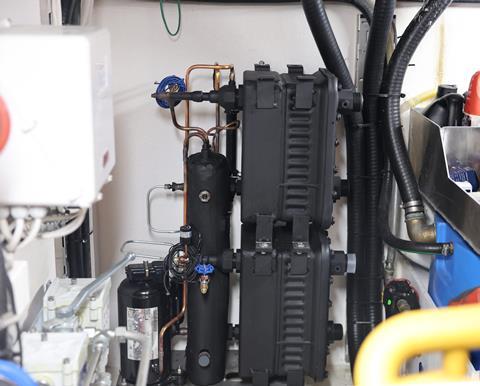
One system that is currently being tested and developed is a refrigerated sea water (RSW) cooling system that delivers 8kW of cooling effect and uses carbon dioxide (CO2) as a refrigerant. This refrigerant has very low to no impact on the climate and environment when a leak occurs.
Easy to use with a robust design that withstands tough working conditions, the system has a standout feature: it can store langoustines upright in individual compartments that are filled with chilled, circulated seawater. This preserves their condition during longer trips at sea, improving survival rates and catch quality. Live langoustines also fetch a higher market price than frozen ones, so a reliable refrigeration system can increase profits and improve the reputation of small-scale fisheries.
Cost-effective solution
The RSW cooling system has been installed on langoustine fishing vessel Odd-Angel, which operates outside the Trondheim fjord. Measuring 800 x 600 x 1,000mm (31.5 x 23.6 x 39.4in) with a 500 x 250 x 700 (19.7 x 9.8 x 27.6in) electrical box, the system fits perfectly inside Odd-Angel’s engine room. Fishers have given positive feedback, said Widell, such as having more flexibility and being able to stay at sea for several days before delivering their catches, or delivering to buyers who were previously out of reach.
“The system leads to less mortality among langoustines, while fresh, live langoustines fetch high prices,” said Widell. “Because fishermen can keep their products chilled for several days, they can deliver their products on a Monday rather than a Saturday for example, which gives them the weekend off. They also don’t need to travel far to collect ice, while the system is built using off-the-shelf components. One central point is that it’s not expensive to build. This can also reduce costs for fishers.”
While refrigeration systems are necessary to keep catch at a low temperature and ensure a long shelf-life, many systems in the world still use refrigerants such as R-22, which has huge global warming potential. With consumers keen to better understand fisheries’ carbon footprint and environmental impact, there is a need to address the type of refrigerant and other areas of refrigeration systems, such as improving their efficiency. Widell and her team have worked with natural refrigerants in collaboration with NTNU, the university in Trondheim. Their laboratories also host masters students who are researching these systems. Together, they are working to eliminate the negative environmental impacts of refrigeration and heat pump technologies.
“Synthetic refrigerants are more common in other parts of the world, but they can have significant impacts when leaked, such as the potential to destroy the ozone layer, contribute to global warming and PFAS (per- and polyfluoroalkyl substances) pollution,” said Widell. “If we are going to install more refrigeration systems on small-boat fleets, we have to use natural refrigerants. Larger vessels use ammonia, which is efficient. However, it can be quite dangerous if fishers are not trained to use it. Any ammonia leakage on a small fishing vessel is not ok. This is why we looked into CO2. It is a viable alternative to more harmful refrigerants like R-22, and contributes to reducing the overall carbon footprint of fishing operations, moving fisheries towards more sustainable practices.”
Project pipeline
Looking ahead, Widell anticipates further developments in refrigeration systems and technology in Norway and other countries. While more areas need to be explored further, she said, such as the robustness, control, capacity and efficiency of the systems on different types of vessels, it will also be important to explore refrigeration technology and natural refrigerants in other sectors, such as shipping and container vessels, seafood processing or retail.
SINTEF is also researching the refrigeration of species such as salmon that are currently transported by air from Norway to far-away destinations like Japan and the United States. In collaboration with a Norwegian company, SINTEF is working to shift the transport to shipping, which has a much lower climate impact. The challenge is to ensure that the salmon maintain a high quality by being frozen properly, stored and transported under low, stable temperatures and then thawed in a controlled way and in locations close to the target consumer.
“We are working in different directions and writing proposals to find new projects,” said Widell. “We are also working on a four-year project in India to promote the use of natural refrigerants and more efficient cold chain solutions across sectors such as food processing, and finalising a European project on reducing greenhouse gas emissions from the food value chain in Europe. Work is underway to pursue funding possibilities within Norway to continue our work with refrigeration technology, which has huge potential to reduce food loss and waste.”
Eco-friendly refrigeration systems on small fishing vessels could be a game-changer for Norway’s seafood sustainability, marking a step towards a more resilient, responsible fisheries sector. By reducing waste, improving product quality, and lowering environmental impacts, these innovations have considerable market potential and could go far in helping small vessel owners achieve better catch conditions and a longer shelf life without compromising the environment or product safety.