





New parents for Colombia
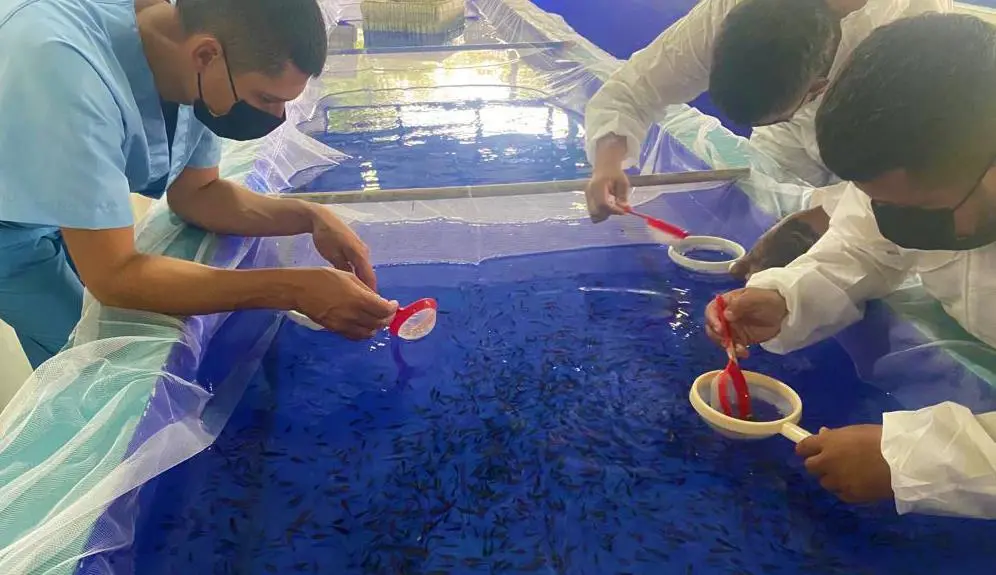
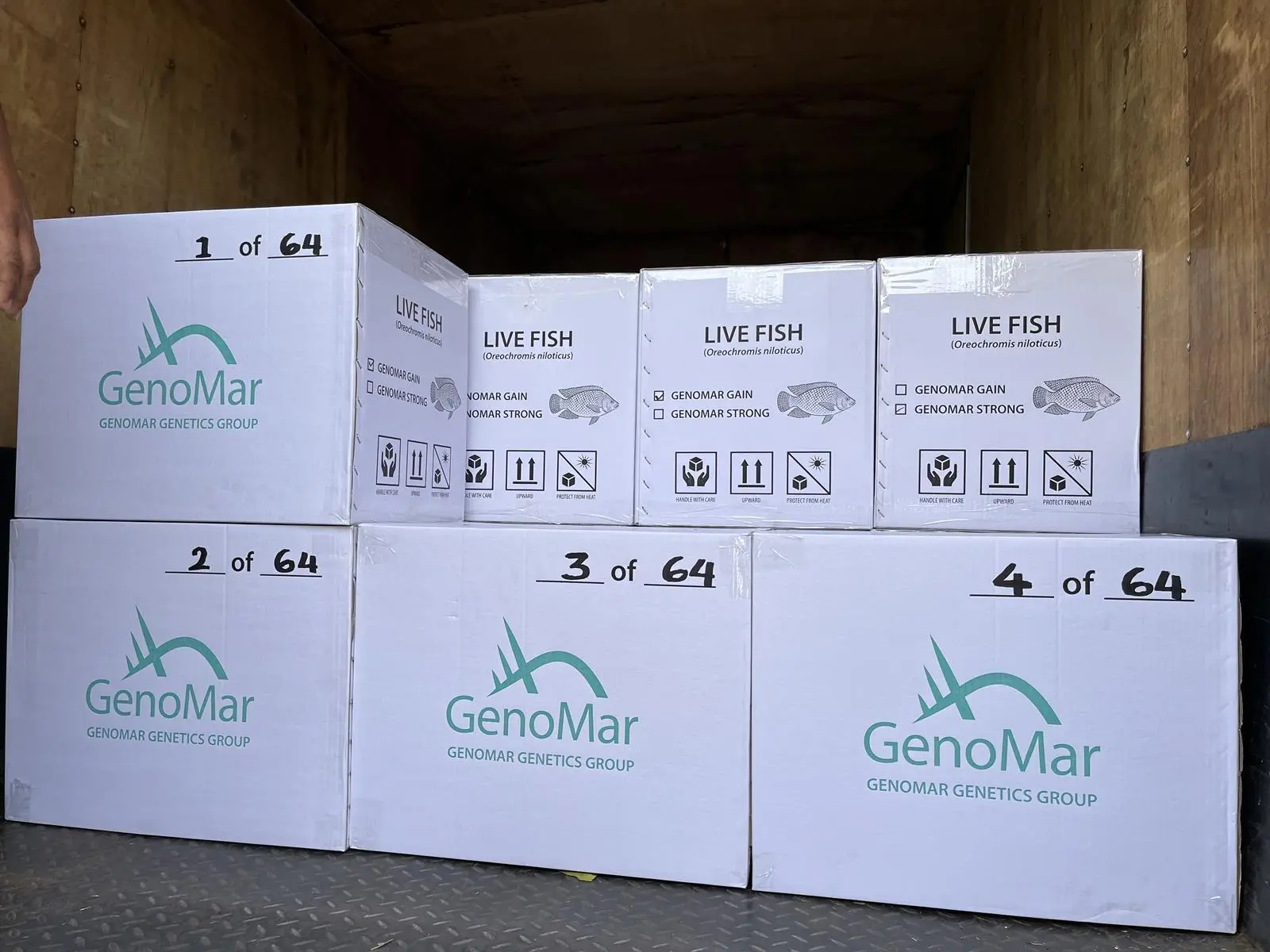
Colombia has received its first tilapia from GenoMar Genetics Group’s SPF (Specific Pathogen Free) breeding centre in the Philippines. The fish will be grown to maturation and serve as the parent stock for commercial fingerling production.
The milestone follows a five-year-long process to get approvals from Colombia’s regulatory authority, Instituto Colombiano Agropecuario (ICA), and the establishment of GenoMar Genetics Colombia in 2021. The company is a joint-venture with Agroavícola Sanmarino SA, a Colombian poultry genetics distribution company belonging to the Italcol Group and GenoMar Genetics Group.
“I am extremely satisfied with reaching this milestone which takes us one step further into our effort of expanding our presence in the major tilapia markets in the American continent. I want to congratulate our teams and partners in the Philippines and Colombia for having persevere and never given up on this complex process,” GenoMar Genetics Group CEO Alejandro Tola Alvarez said.
Upon arrival in Colombia last month, ICA took samples of the fish to check for any disease-causing agents.
After going through the quarantine and customs clearance procedures in Bogotá, the GenoMar genetic lines were transported to the official approved quarantine farm that the company has in Flandes, Tolima province.
During the 30-day quarantine period, the ICA inspected the facility, water quality and health status of the fish. On 14 February, the fish were officially released.
“We have a lot of interest and expectation in the market right now. I believe that the 30 years’ breeding work on the GenoMar strain will have a positive impact on improving tilapia production in Colombia. We will start R&D trials very soon,” said Martin Cordero Ordóñez, General Manager of GenoMar Genetics Colombia.
GenoMar’s strategy is to operate close to where its customers are by owning its own distribution centres. As such, the company is also working to have the relevant approvals for importing genetic material from its new breeding centre in Brazil.
This, it said, will open opportunities to import new genetic lines in the future as well as to improve welfare and reduce shipping costs.
Related Articles
 AQUACULTURE
 AQUACULTURE
 AQUACULTURE