


Maine Ocean Farms goes electric
US east coast oyster grower Maine Ocean Farms said it is looking to set a new standard for eco-friendly farming by supercharging its operations with custom-built electric workboats and Aqua superPower’s marine fast charging.
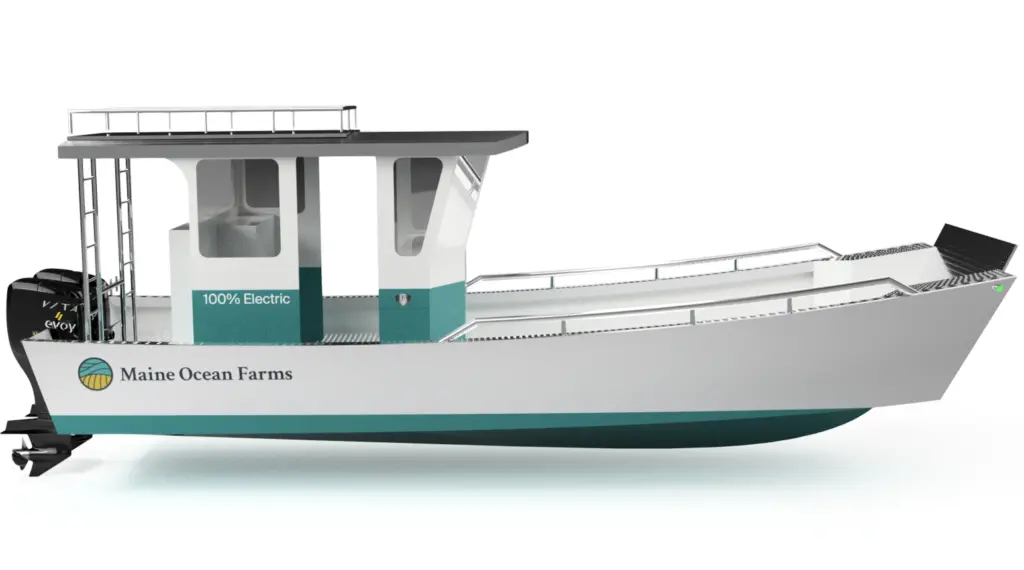
The project has been made possible by a US$500,000 grant from the US Department of Energy, Office of Energy Efficiency and Renewable Energy plus another $500,000 in matching funds.
Aqua superPower is leading the electrification project, in partnership with Maine Clean Communities. The former will install two DC marine fast charging stations, while Fogg’s Boatwoks in North Yarmouth, Maine, will design and build the custom workboat. The vessel will feature an advanced electric powertrain from marine tech leader Vita Power.
While many oyster farming operations currently rely on gasoline powered workboats, generators, pumps and processing equipment, the addition of electric workboats and Aqua superPower’s charging infrastructure to Maine Ocean Farms’ operations are expected to drastically cut the operation’s carbon footprint, helping to minimise noise, air and water pollution.
“Maine Ocean Farms strives to continuously innovate our operations, embracing new technologies that can drive positive environmental change while supporting local economic growth,” said Willy Leathers, Director of Farm Operations and Founding Partner at Maine Ocean Farms. “This project will demonstrate these technologies in action, providing data and real-time experience to other farmers and industry members.”
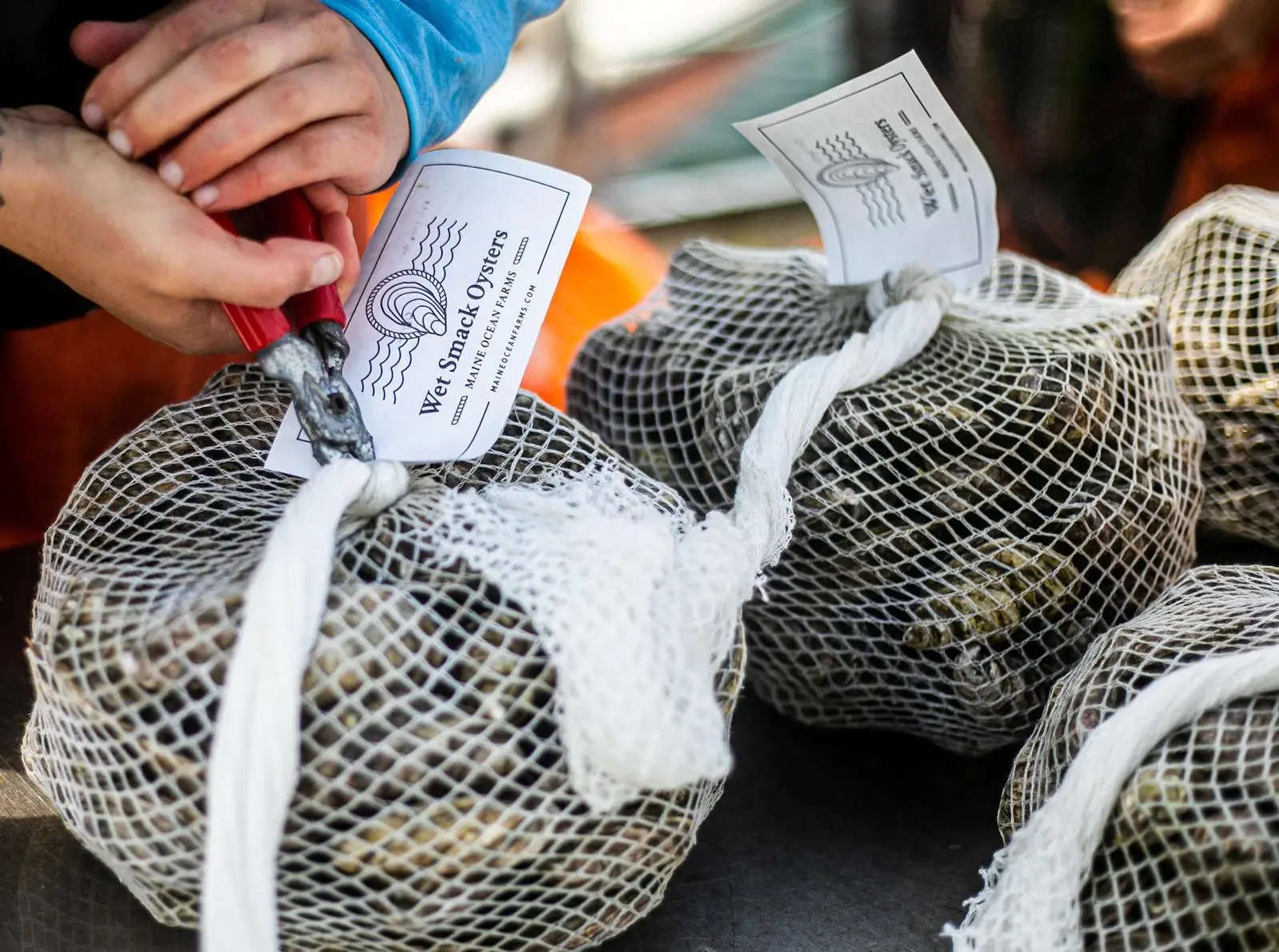
Scott Canning, Vice President of US Business Development for Aqua superpower, first heard about Maine Ocean Farms when he learned the oyster farm had co-developed a 100% compostable and biodegradable harvest bag to reduce marine plastic pollution.
“Once I met Willy and his team it became clear to me that Maine Ocean Farms was an ideal candidate for marine electrification. Electric propulsion makes the seafood supply chain more resilient and sustainable. However electric boats must be supported with a robust and reliable charging infrastructure, that’s Aqua’s part of the equation,” Canning said.
Sara Mills-Knapp, Director of Maine Clean Communities, said the electrification of Maine Ocean Farms’ aquaculture operations represents a significant step forward in reducing emissions and noise pollution in Casco Bay.
“The electrification of Maine Ocean Farms represents more than just a technological upgrade; it’s a pioneering model for the future of aquaculture,” Mills-Knapp said. “This project will demonstrate the viability of electric marine technology for the aquaculture industry. We expect it to serve as a model that can be replicated by other coastal operations, helping to build a more sustainable and resilient marine economy in Maine.”
As part of the project, the team will gather real-time data to measure environmental and emissions reductions.
Collaborating with powertrain developer and manufacturer Vita Power, they will select the ideal system to transition vessels from ICE to electric. This project will showcase these technologies in action, providing a blueprint for other farmers and live data on their benefits.
Related Articles
 AQUACULTURE
 AQUACULTURE
 AQUACULTURE