


Icelandic company, Kapp is a service-driven leader in refrigeration solutions, delivering advanced refrigeration, chilling, freezing and processing systems for the seafood, meat and poultry industries.
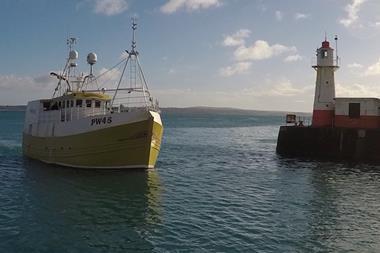
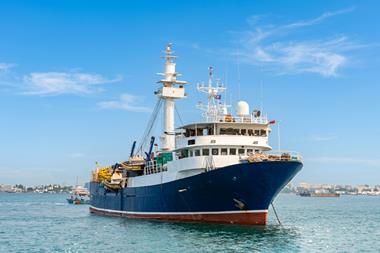
The company has recently highlighted how their OptimICE (CO2) system has been successfully used on Hildur SH-777, a modern steel vessel operating out of Rif on the Snæfellsnes peninsula in West Iceland.
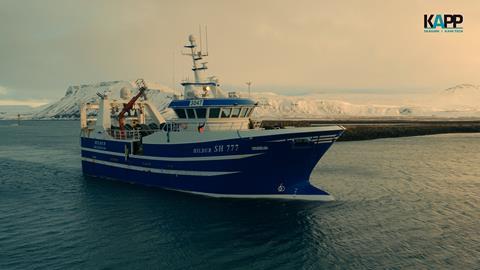
The crew works in an environment where speed, consistency and careful handling are critical. Daily trips, focused mainly on cod and haddock, depend on quickly and evenly chilling the fish so that freshness, texture and product quality are preserved all the way through landing, processing and export.
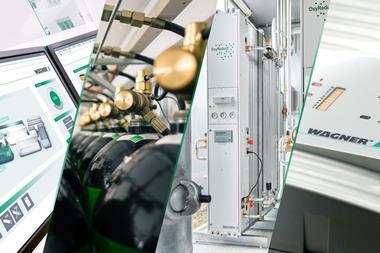
OptimICE (CO2) from KAPP has made a real difference. It uses a 100% CO2 refrigerant and is designed to combine high chilling performance with lower environmental impact and lower operating cost.
Before OptimICE, traditional ice created more manual work and a slower chilling process on board. Shovelling ice took time, added physical strain and did not provide the same level of fast, even coverage around the fish.
According to Guðmundur Ragnar Guðmunduson, second engineer on board Hildur SH-777, one of the biggest benefits became clear immediately: “What we gain most is time,” he said.
“We are much quicker getting the fish down to roughly about zero, which preserves the meat and fish very, very well.”
For Hildur SH-777, this improvement is not only about making the process easier. It is also about using one of the early OptimICE (CO2) installations — combining the quality benefits of slurry ice with a natural refrigerant platform that reflects where cooling technology is heading. KAPP presents natural refrigerants as the future and positions CO2 OptimICE as a way to reduce environmental impact without giving up performance.
Kapp and the crew note that there are other key benefits from using the CO2 OptimICE including improved product quality and reduced carbon footprint while also lowering operating costs; continuous operations without compromising quality or workflow; reliability; easier handling with less physical strain, and a system built on real industry knowledge and practical understanding of onboard operations.
Guðmundur Ragnar Guðmunduson summed it up: “It’s quicker, easier … you pay for quality. That’s the point.”
To catch up with Kapp and hear more about their new technologies visit stand B12 at IceFish.
To exhibit at IceFish contact sales@icefish.is