




UN: 2022 – a defining year
United Nations Sustainable Development Goal (SDG) 14, which focuses on life below water, has to-date attracted the lowest level of investment of all the SDG targets, but there are a number of top-level ocean meetings taking place this year that could reverse that failing, according to the UN’s special envoy for the ocean Peter Thomson.
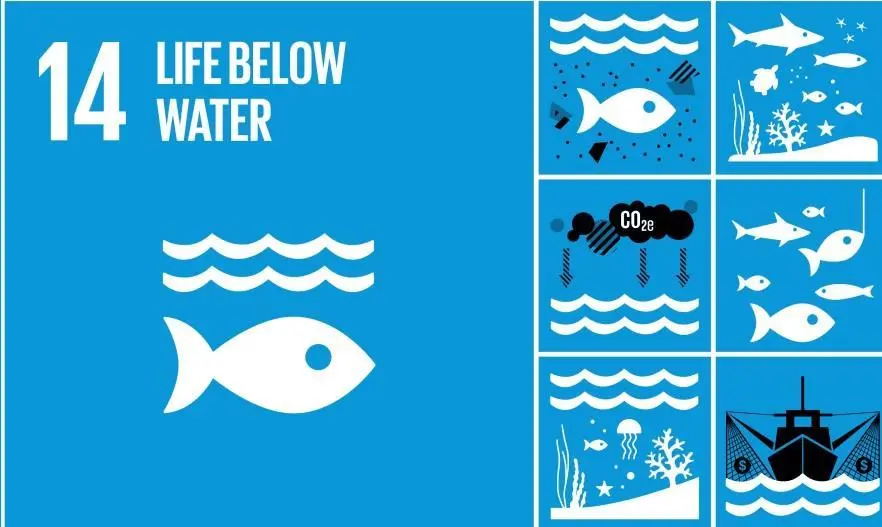
Speaking at the 9th annual World Ocean Summit on 3 March 2022, and insisting that while ocean health remains in decline “there’s no healthy planet without a healthy ocean”, Thomson stressed the critical need to revive the fortunes of SDG 14.
Alongside the considerable challenges posed by climate change, ocean acidification and ocean warming, which are making life harder in seas, he said it is important for decision makers to not take their eye off other really important tasks including ending harmful fisheries subsidies, stopping overfishing and eliminating habitat destruction.
“There’s so much work to be done to ensure that target 14 is on track,” he said.
“A sustainable blue economy is the future of mankind. It’s where future security is going to come from. Be that nutritious food, new medicines, renewable energy – it’s all going to come from the ocean,” he said. “It’s time for us to shift the investment needle in the direction of the sustainable blue economy.”
Six important international meetings are taking place across the calendar year 2022 that could prove game-changing, Thomson acknowledged. These include the UN Ocean Conference in Lisbon, Portugal, at the end of June, will focus on scaling up ocean action for SDGs.
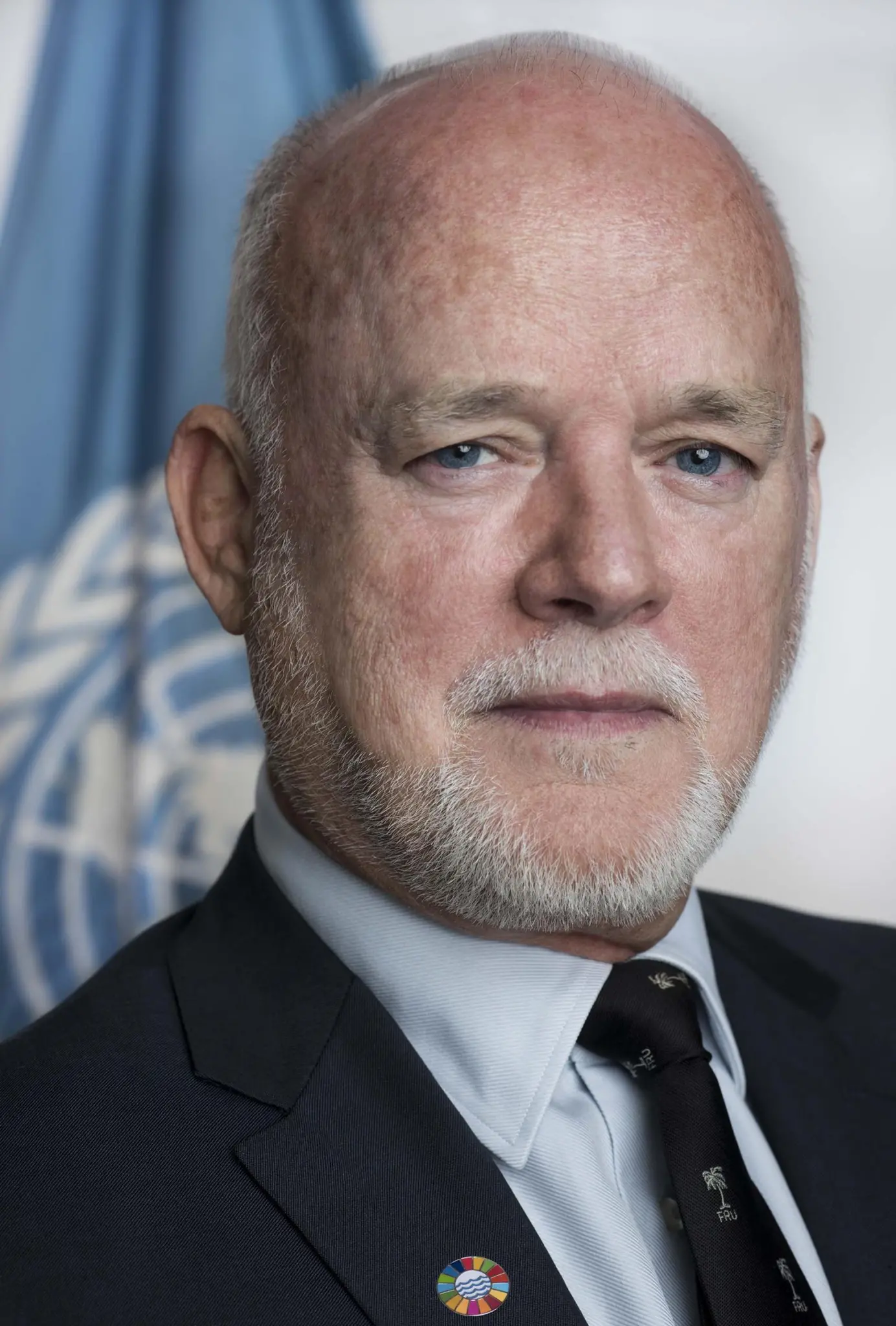
“I really do believe that in 2022 we could stop the decline of the oceans’ health. I’m not saying we are going to fix the ocean – that’s a job for our children and grandchildren because things like acidification are going to continue because the wheels are rolling on that. But we can stop the decline, and it’s very much in the hands of member states.”
The six meetings present opportunities to come to consensus on a number challenges to ocean health, including harmful fisheries subsidies, which will be looked at during this year’s WTO meeting, Thomson said.
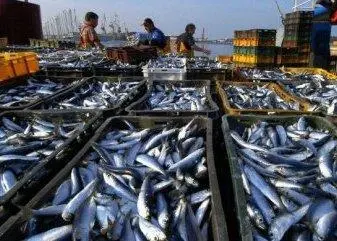
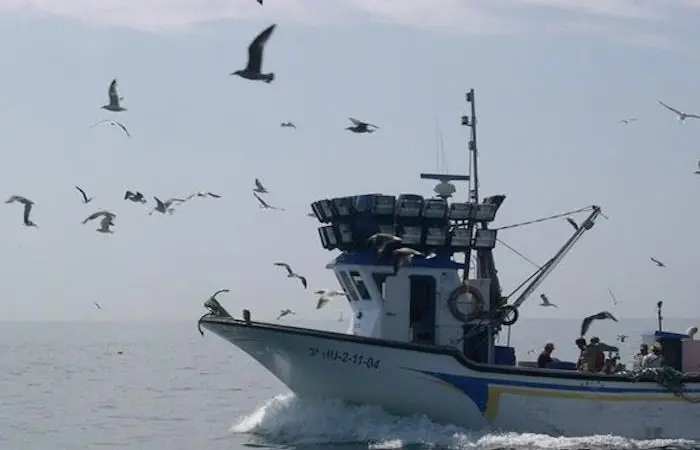
“That’s up to US$30 billion of public funds that’s being spent mainly for the enjoyment of industrial fleets to go out to chase diminishing stocks that are 34% overfished in the ocean at the moment.
“Imagine if that money was put towards the sustainable blue economy – getting people into seaweed projects along the coast of Africa or sustainable aquaculture in Latin America and so on – that’s where that money should be spent.
“There would be a sea-change if they could get rid of the harmful fisheries subsidies.”
Furthermore, and alongside ensuring a robust marine plastics pollution treaty is introduced, an operable Biodiversity Beyond Areas of National Jurisdiction (BBNJ) agreement needs to be reached to make the governance of high seas a reality, he told the conference.
Related Articles
 FISHERIES
 FISHERIES
 FISHERIES